When planning a bathroom renovation, homeowners often experience sticker shock upon receiving quotes. Understanding the most expensive part of a bathroom remodel helps create realistic budgets and identify potential savings without sacrificing quality or functionality.
A typical bathroom remodel costs between $10,000 and $30,000, with luxury projects easily exceeding $50,000. These costs vary based on room size, material quality, fixture selection, and layout changes.
Bathroom renovations commonly exceed initial budget expectations due to unrealistic cost estimates and unforeseen complications. Many homeowners underestimate the complexity involved, particularly in areas such as waterproofing, plumbing, and fixture installation. Hidden issues often emerge during demolition, including water damage, outdated wiring, and structural problems.
Budget overruns typically occur when clients fall in love with premium materials or fixtures during the project’s mid-stage. Establishing a realistic budget with a 15-20% contingency fund helps absorb unexpected costs without derailing the project.
A professional cost analysis conducted before project initiation is the foundation for successful bathroom renovations. This process involves evaluating existing conditions, determining project scope, selecting appropriate materials, and accounting for labor expenses.
Experienced contractors conduct comprehensive assessments examining existing plumbing, electrical systems, ventilation, structural integrity, and moisture issues. This evaluation identifies potential complications before work begins, allowing for accurate budgeting and proper scheduling.
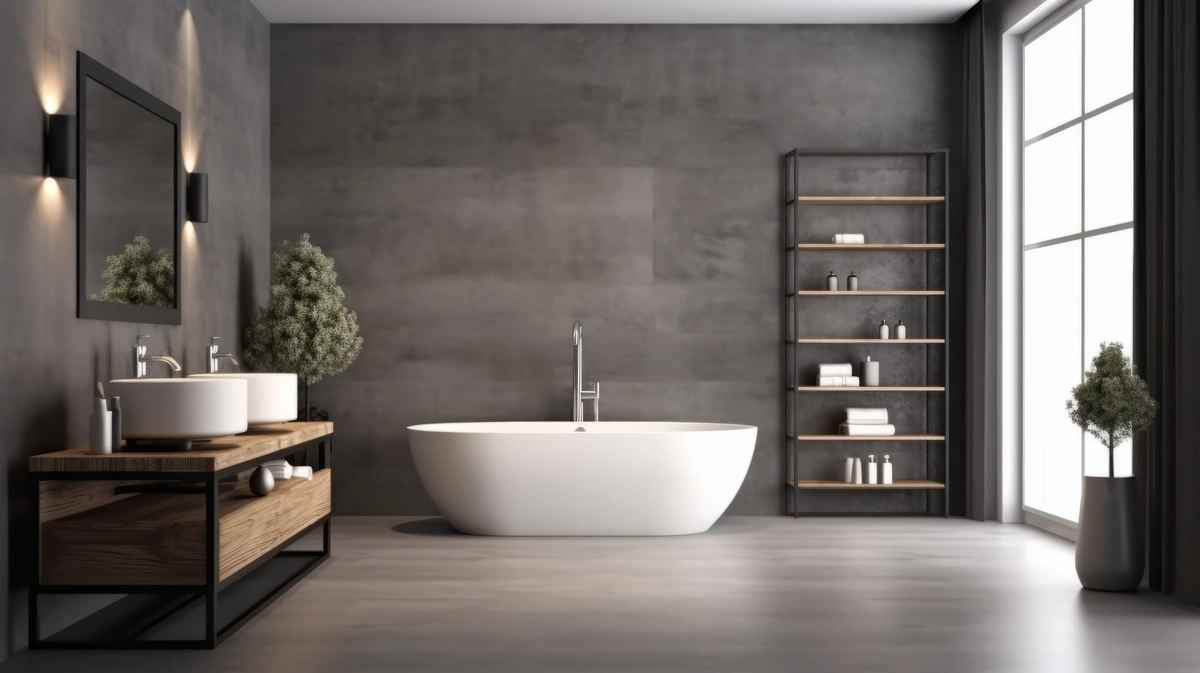
The wet area, comprising the shower, tub, and associated plumbing, represents the most significant expense in bathroom renovations. This critical zone requires specialized materials, professional waterproofing, and expert installation to ensure longevity and prevent water damage.
Due to their complex requirements, showers and tubs typically consume 45-65% of a bathroom renovation budget. These fixtures require professional waterproofing systems, high-quality plumbing components, and durable finishes to withstand constant exposure to moisture.
Modern shower systems incorporate pans, walls, doors, fixtures, drains, and waterproofing membranes. Each element requires precise installation to prevent leaks and ensure proper function. Similarly, tubs necessitate stable support structures, adequate drainage slopes, and watertight connections.
The most expensive part of a bathroom remodel often directly relates to the level of customization in the wet area. Standard prefabricated units cost significantly less than custom tile showers or specialized tub installations; however, custom features typically offer greater design flexibility and durability.
Professional plumbers command premium rates due to their specialized knowledge and the critical nature of their work. Licensed plumbers understand complex building codes, appropriate materials, and proper techniques to ensure safe, functional systems.
Water management systems include waterproof membranes, moisture barriers, drainage slopes, and appropriate venting. Each component must meet strict building code requirements to ensure safety and prevent future problems.
Building codes mandate specific requirements for bathroom plumbing, including proper pipe sizing, venting systems, drainage slopes, and fixture clearances. Professional plumbers navigate these regulations efficiently, securing necessary permits and passing inspections.
Bathroom renovations frequently present limited workspace challenges that extend labor timelines and increase costs. Plumbers, electricians, and tile installers often work in confined areas, navigating around fixtures, walls, and other trades.
The complexity increases when multiple tradespeople need access to the same limited space. Scheduling becomes critical, as each professional requires adequate room to perform quality work. These logistical challenges contribute to higher labor costs than renovations in more spacious areas.
Premium materials and professional waterproofing represent essential investments in ensuring the longevity of bathroom renovations. Quality materials withstand exposure to moisture, temperature fluctuations, and daily use without deteriorating.
Modern waterproofing systems utilize specialized membranes, sealants, and techniques to create impermeable barriers. These systems require professional installation to ensure complete coverage and proper integration with drains, fixtures, and surrounding structures.
Material selection has a significant impact on both initial expenses and long-term performance. Premium options, such as porcelain tile, solid surface materials, and high-quality fixtures, typically cost more upfront but offer superior durability and resistance to moisture damage.
Plumbing fixture relocation represents the single most significant expense multiplier in bathroom renovations. Moving toilets, sinks, showers, or tubs requires extensive plumbing modifications, often involving new supply lines, relocating drains, and adjusting the vent stack.
Moving major bathroom elements introduces numerous hidden costs beyond simple plumbing work. Relocating fixtures involves demolishing existing structures, modifying the framing, and reconstructing the affected areas.
What is the most expensive part of a bathroom remodel becomes abundantly clear when fixture locations change. These modifications typically increase project costs by 30-75% compared to renovations that maintain existing layouts.
Toilet relocation involves complex drainage considerations due to the size and slope requirements of the waste pipes. Moving a toilet, even a few feet, requires new drain lines that must maintain specific downward gradients.
Additionally, toilet relocations may require vent stack modifications extending through multiple floors to roof penetrations, significantly expanding the project scope. Professional plumbers carefully plan these modifications to minimize structural impact while ensuring code-compliant installations.
Shower and tub repositioning presents substantial challenges related to water supply and drainage. These fixtures require large drain assemblies and multiple supply lines that are capable of delivering a significant water volume.
Modern shower systems with multiple heads or body sprays require increased water supply capacity, potentially necessitating larger pipes throughout the home. Additionally, drains must handle significant water volume while maintaining proper slopes to prevent standing water.
Fixture relocations frequently require structural modifications to accommodate new plumbing routes. These changes include cutting floor joists, removing wall sections, or reinforcing structural elements affected by plumbing runs.
Bathrooms sharing walls with kitchens or other plumbed areas sometimes offer opportunities for more efficient fixture relocations by utilizing existing plumbing chases. Professional contractors identify these possibilities during planning stages, potentially reducing costs while achieving desired layout changes.
Building codes establish strict requirements for bathroom renovations, particularly regarding plumbing, electrical, and ventilation systems. Permit fees, inspection requirements, and potential remediation of code violations add substantial expenses to renovation budgets.
Code compliance becomes particularly important when relocating fixtures or modifying room layouts. These changes typically trigger more extensive permitting requirements and multiple inspections throughout the construction process.
Profession represents a substantial portion of bathroom renovation costs, typically accounting for 40-60% of total project budgets. This expense reflects the specialized skills required for quality installations, particularly in wet areas where improper work can lead to extensive damage.
Tile installation is particularly labor-intensive and significantly impacts renovation budgets. Professional tile setters create waterproof, structurally sound surfaces through meticulous preparation, precise cutting, and careful setting techniques.
The process begins with thorough substrate preparation, ensuring perfectly level surfaces. Next, professionals apply the appropriate waterproofing systems and then meticulously set each tile with precise spacing. Grout application and sealing complete the installation.
The most expensive part of a bathroom remodel often correlates directly with the complexity of tile installation. Custom patterns, decorative borders, niche construction, and specialized cuts dramatically increase labor requirements and associated costs.
Waterproofing expertise represents critical knowledge, preventing future expenses from water damage. Professional contractors understand the appropriate waterproofing systems for various applications, proper installation techniques, and the integration of these systems with surrounding components.
Modern waterproofing involves sophisticated systems including membranes, liquid applications, and specialized tapes for seams and penetrations. Proper installation requires extensive preparation, careful application, and quality testing before covering with finished materials.
Electrical and ventilation modifications represent safety-critical updates in bathroom renovations. Modern bathrooms feature numerous electrical components requiring proper installation to prevent shock hazards in wet environments. Similarly, adequate ventilation prevents moisture accumulation, which can lead to mold growth and structural damage.
Electrical updates typically include GFCI-protected outlets, dedicated circuits for high-draw items such as heated floors, and properly installed lighting fixtures. Ventilation improvements involve installing appropriately sized exhaust fans that are vented directly outside, rather than into attic spaces.
High-end fixtures and premium features contribute significantly to bathroom renovation costs, enhancing functionality, durability, and aesthetic appeal.
Custom shower systems incorporate sophisticated technology and design elements commanding premium prices. These systems may include digital temperature controls, multiple spray heads, steam generation, chromotherapy lighting, and integrated audio.
Modern luxury showers have evolved into personal spa experiences, featuring thermostatic valves that maintain precise temperatures, programmable settings for multiple users, and touchscreen interfaces. These technological advancements enhance daily routines but add substantial costs for both equipment and installation.
Premium materials, such as natural stone, custom glass, and designer fixtures, create distinctive bathrooms that command attention and admiration. These elements offer unique aesthetics and exceptional durability, but they significantly impact renovation budgets.
Natural stone offers unique patterns, colors, and textures that are unmatched by manufactured alternatives. Similarly, custom glass enclosures provide elegant, open aesthetics but require precise fabrication and specialized hardware, increasing overall costs.
Designer fixtures from premium manufacturers offer superior construction, innovative features, and distinctive styling. While commanding significant price premiums, quality fixtures often provide better performance and longer service lives.
Innovative bathroom technology introduces convenience features and associated integration costs to modern renovations. These innovations include motion-activated faucets, programmable shower systems, self-cleaning toilets, and integrated speakers or displays.
Integration of intelligent systems typically requires professional programming to ensure proper function and communication between components. Additionally, many systems need dedicated electrical circuits, specialized wiring, or water filtration systems.
Strategic cost management allows homeowners to achieve desired bathroom renovations while controlling overall expenses. Professional contractors employ various approaches, striking a balance between quality, functionality, and aesthetics while considering budget constraints.
Layout preservation represents the single most effective budget conservation strategy in bathroom renovations. Maintaining existing fixture locations eliminates the need for extensive plumbing modifications, structural changes, and associated repairs.
When considering the most expensive part of a bathroom remodel, homeowners quickly discover that layout changes drive costs exponentially higher. Renovations can achieve remarkable transformations at substantially lower costs by maintaining basic fixture positions while upgrading finishes, fixtures, lighting, and storage.
Professional refinishing offers cost-effective solutions for aging fixtures, often costing 75% less than complete replacement. This process restores worn tubs, sinks, and tile surfaces using specialized techniques, creating durable and attractive finishes.
Modern refinishing techniques utilize advanced polymer coatings, which provide long-lasting durability in demanding bathroom environments. Professional applications create smooth, non-porous surfaces that are resistant to stains, moisture, and cleaning chemicals.
Professional contractors offer strategic material selection advantages through industry connections, volume purchasing, and extensive product knowledge, enabling them to make informed decisions. These relationships provide access to preferred pricing, discontinued items, and overstock materials, offering substantial savings without compromising quality.
Contractors understand which materials offer the best value for specific applications, enabling homeowners to allocate their budgets effectively. This strategic approach maximizes impact where it matters most while controlling overall project costs.
Value engineering applies systematic methods to enhance the value of bathroom renovations by improving functionality while reducing costs. Professional contractors utilize these techniques to deliver exceptional results while respecting budget constraints.
Targeted investment strategies focus resources on high-impact areas, providing maximum visual and functional benefits. Professional renovators identify elements delivering substantial returns, justifying premium expenditures where they matter most.
The shower experience, vanity area, and lighting typically offer the most significant impact per dollar invested. Quality improvements in these zones create dramatic impressions while enhancing daily routines. Conversely, areas hidden behind walls or beneath floors can utilize standard-grade materials without affecting appearance or performance.
Understanding the most expensive part of a bathroom remodel helps prioritize investments effectively. Professional contractors guide clients toward balanced approaches that maximize value while controlling overall project costs.
Material substitution techniques utilize professional alternatives to premium products, delivering similar aesthetics and performance at lower prices. Modern manufacturing advances have created impressive replicas of luxury materials that perform exceptionally well in bathroom environments.
Porcelain tiles that mimic natural stone offer water resistance, durability, and easy maintenance at a fraction of the cost of authentic materials. Similarly, engineered quartz offers superior performance to marble for countertops, eliminating concerns about staining and maintenance. These substitutions deliver comparable aesthetics without compromising function.
Professional contractors identify appropriate substitutions based on specific application requirements. Their product knowledge enables them to navigate vast material options and find optimal solutions that balance appearance, performance, and cost considerations.
Phased renovation planning manages expenses by dividing projects into strategic stages that are completed over a specified period of time. This approach enables homeowners to address critical components immediately while spreading costs across multiple budget cycles.
Initial phases typically focus on infrastructure requiring professional installation, such as plumbing, electrical systems, and waterproofing. Later phases can address fixtures, finishes, and accessories that enhance aesthetics and convenience. This methodical approach ensures that critical elements receive proper attention while allowing for flexibility in cosmetic improvements.
Professional contractors develop comprehensive phasing plans considering logical construction sequences, budget constraints, and homeowner priorities. These roadmaps prevent redundant work while ensuring each phase builds successfully toward the completed vision.
Professional bathroom remodeling delivers cost-efficiency through specialized expertise, industry connections, and streamlined processes. Experienced contractors leverage these advantages to maximize value, prevent costly mistakes, and provide superior results.
Contractor purchasing power provides significant advantages in material acquisition through established supplier relationships, volume discounts, and industry access. These connections often result in material costs being reduced by 15-30% compared to retail pricing, leading to substantial project savings.
Professional contractors have access to trade-only products, offering superior performance at competitive prices. Additionally, they identify closeout opportunities, discontinued lines, and overstock situations, providing premium materials at reduced costs. These sourcing advantages directly benefit homeowners through lower project expenses.
Material costs are the most expensive part of a bathroom remodel. Professional purchasing advantages help mitigate these expenses without compromising quality, creating better overall value.
Project management efficiencies significantly reduce overall timelines and costs through optimized scheduling, proper sequencing, and effective trade coordination. Professional contractors develop detailed project plans, preventing costly delays, redundant work, and scheduling conflicts.
Efficient projects progress logically, with each trade completing its work at the appropriate time. This coordination prevents situations where completed work requires modification to accommodate subsequent phases. Additionally, proper sequencing ensures materials arrive when needed, preventing storage complications and potential damage.
Streamlined processes minimize labor hours while maintaining quality standards. Since labor represents a substantial portion of renovation budgets, these efficiencies translate directly to cost savings without compromising results.
Professional experience prevents costly mistakes through the application of proper techniques, the use of appropriate materials, and a thorough understanding of building science principles. Experienced contractors anticipate potential issues before they occur, implementing preventive measures to ensure long-term performance.
Common DIY mistakes include inadequate waterproofing, improper plumbing installations, insufficient structural support, and code violations. These errors often remain hidden until they cause significant damage, necessitating extensive repairs that far exceed the initial savings. Professional installations avoid these pitfalls through proper methods and materials.
Technical expertise regarding moisture management proves particularly valuable in bathroom renovations. Proper waterproofing, ventilation, and material selection prevent mold growth and structural damage that could necessitate future renovations. This protection represents significant long-term value beyond immediate project costs.
Regional factors significantly impact bathroom renovation expenses through material availability, labor rates, code requirements, and climatic considerations. Understanding these variations helps homeowners establish realistic budgets and make appropriate design decisions.
Material availability and labor rates vary substantially across geographic markets, creating significant cost differences for identical renovations in different regions. Metropolitan areas typically offer broader material selection but higher labor costs, while rural locations may present limited options but reduced labor expenses.
Labor costs often represent the most variable expense component, with identical work costing 30-60% more in high-demand markets. These variations reflect living costs, competition levels, and prevailing wage standards across regions. Professional contractors understand these market dynamics and provide realistic cost estimates based on local conditions.
Based on these factors, the most expensive part of a bathroom remodel may differ between regions. Local professionals offer invaluable insights into regional cost drivers and potential savings opportunities tailored to specific markets.
Permit and inspection requirements vary significantly between jurisdictions, affecting overall budgets through direct fees, timeline impacts, and compliance requirements. Some municipalities require permits for virtually any renovation work, while others exempt certain project types or scope limitations.
Permit costs range from nominal processing fees to substantial percentages of project values. Additionally, inspection schedules can significantly impact project timelines, particularly in high-volume construction markets with limited availability of inspectors. These factors must be considered when establishing project budgets and schedules.
Professional contractors efficiently navigate local requirements, securing appropriate permits and scheduling inspections to minimize delays. Their familiarity with local code officials and requirements streamlines this process, preventing costly compliance issues that could derail renovation projects.
Understanding relative costs helps homeowners decide where to invest and make informed decisions about economizing. This analysis examines typical price ranges and value considerations for major bathroom components.
|
Component |
Budget Range |
Mid-Range |
Premium |
Value Considerations |
|
Shower/Tub |
$1,500-3,000 |
$4,000-8,000 |
$9,000-25,000+ |
Daily use justifies quality investment |
|
Vanity/Sink |
$500-1,200 |
$1,500-3,500 |
$4,000-12,000+ |
High visual impact, moderate functional requirements |
|
Toilet |
$200-350 |
$400-700 |
$800-2,500+ |
Limited aesthetic impact, focus on quality mechanics |
|
Flooring |
$5-10/sq.ft. |
$12-22/sq.ft. |
$25-50+/sq.ft. |
Water resistance is critical, and visibility impacts value |
|
Wall Tile |
$2-5/sq.ft. |
$7-15/sq.ft. |
$20-75+/sq.ft. |
Wet area tile justifies a premium; other walls can be economical |
|
Lighting |
$200-600 |
$700-1,500 |
$1,600-5,000+ |
Affects functionality and ambiance significantly |
|
Plumbing |
$2,000-4,000 |
$5,000-8,000 |
$9,000-15,000+ |
Quality critical; costs increase with fixture relocation |
|
Labor |
30-40% of the total |
40-50% of the total |
45-60% of the total |
Critical for long-term performance, especially waterproofing |
This comparative analysis reveals why the wet area consistently represents the most expensive part of a bathroom remodel. This zone’s combination of plumbing requirements, waterproofing needs, and fixture costs creates the highest concentration of expenses in bathroom renovations.
Professional contractors help clients balance these components effectively, allocating resources to areas providing maximum value while identifying appropriate economies in less critical elements. This balanced approach delivers exceptional results while respecting budget constraints.
Allocate 45-65% of your bathroom renovation budget to the wet area, including the shower, tub, and associated plumbing. This zone is the most expensive part of a bathroom remodel due to the requirements for waterproofing, the complexity of plumbing, and the materials needed. Prioritize quality here, as it directly impacts daily use and prevents expensive water damage.
Relocating major plumbing fixtures is worth the 30-75% cost increase only when the existing layout significantly compromises functionality, safety, or spatial efficiency. Consider this investment for improved traffic flow, enhanced accessibility, or better space utilization. Often, fixture upgrades deliver significant improvements without extensive plumbing modifications.
Achieve a luxury aesthetic while controlling expenses by investing in high-visibility areas (vanities, shower fixtures, distinctive lighting) while economizing on less noticeable elements. Use material substitutions, such as porcelain tile that mimics natural stone or engineered quartz, instead of marble to achieve a luxurious appearance with improved performance and lower costs.
Quality shower systems, efficient storage solutions, proper lighting, and durable flooring offer the best return on investment. These components enhance daily functionality while appealing to future buyers. Updated bathrooms typically return 60-70% of renovation costs through increased property values, with projects focusing on these key elements performing best.
Professional project management typically saves 15-30% on remodel costs through streamlined scheduling, trade coordination, material sourcing advantages, and error prevention. These efficiencies prevent expensive mistakes, reduce material waste, eliminate rework, and minimize timeline extensions—particularly valuable benefits for comprehensive bathroom renovations.
Refinishing is often a better option than replacement when fixtures remain structurally sound but exhibit cosmetic wear, such as surface staining, minor chips, or outdated colors. This approach saves 60-75% compared to replacement costs while extending fixture lifespan by 10-15 years. Consider refinishing for quality cast iron tubs, solid porcelain sinks, and ceramic tile in good condition.
JC Construction & Remodeling is more than just a construction company; we are your dedicated partners in transforming your vision into reality. With over a decade of industry experience, our locally owned and operated business has honed its craft, delivering exceptional home improvement solutions to our valued clients. Integrity and honesty are the cornerstones of our approach, guiding every interaction and decision we make. We understand that each project is unique.
Whether you’re looking to renovate your entire home or simply need a few repairs, our team is equipped with the expertise and resources to exceed your expectations. At JC Construction & Remodeling, quality is not just a goal; it’s a standard we uphold in every aspect of our work. Specializing in general home improvement and remodeling, we take immense pride in the craftsmanship and attention to detail that defines our projects.