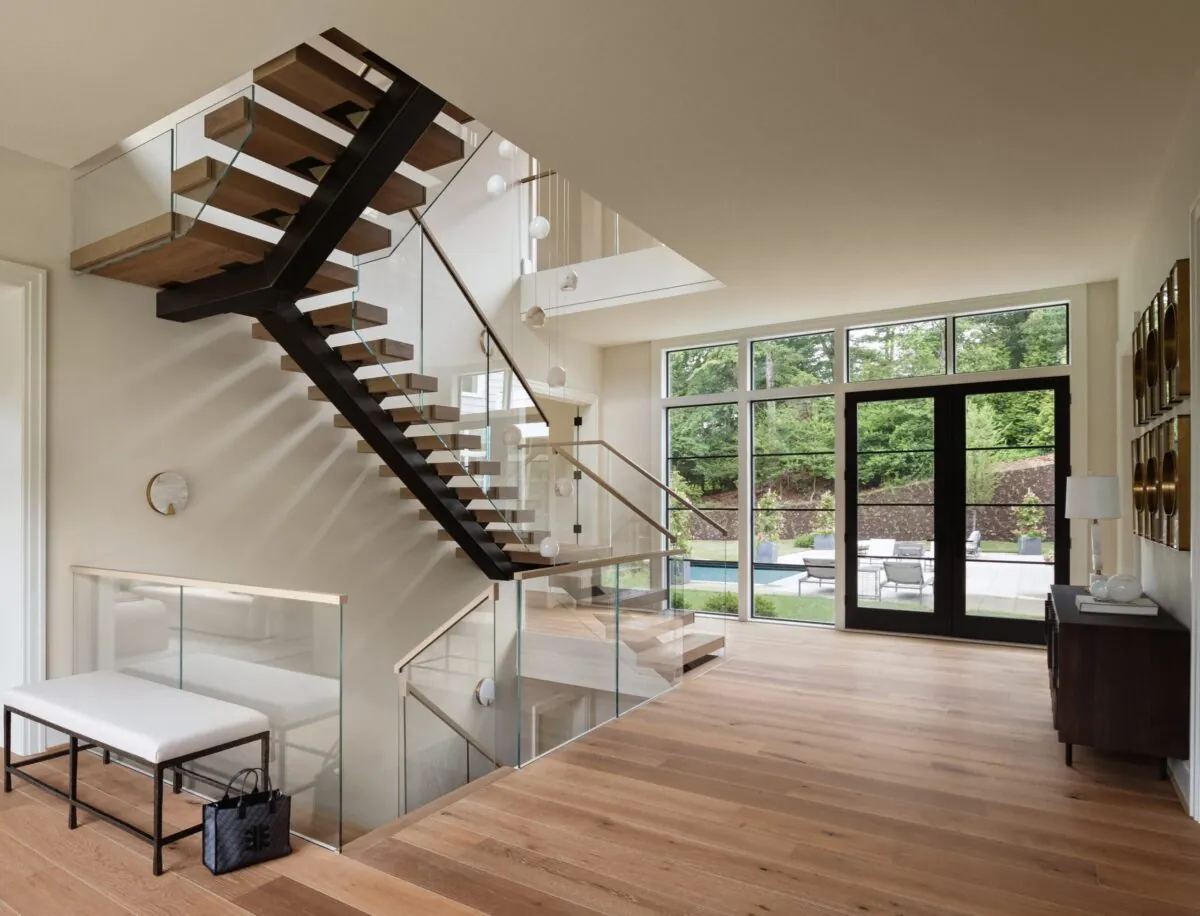
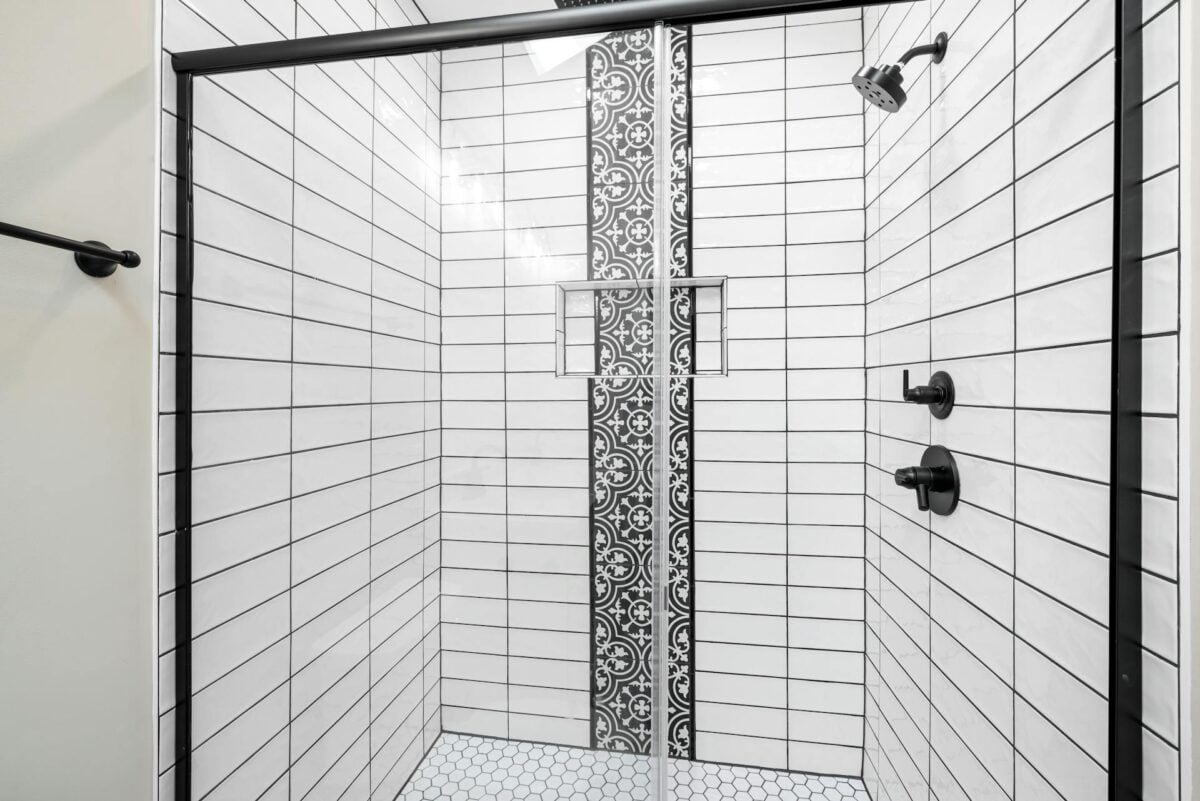
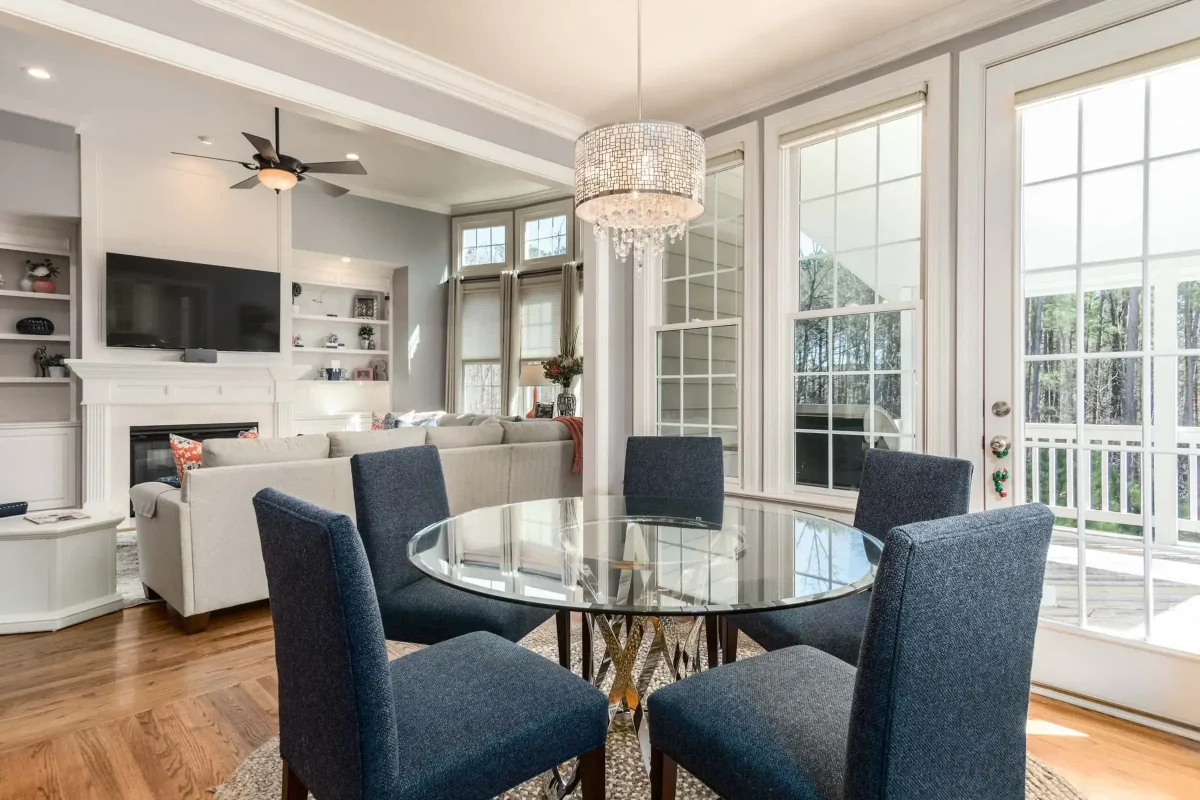
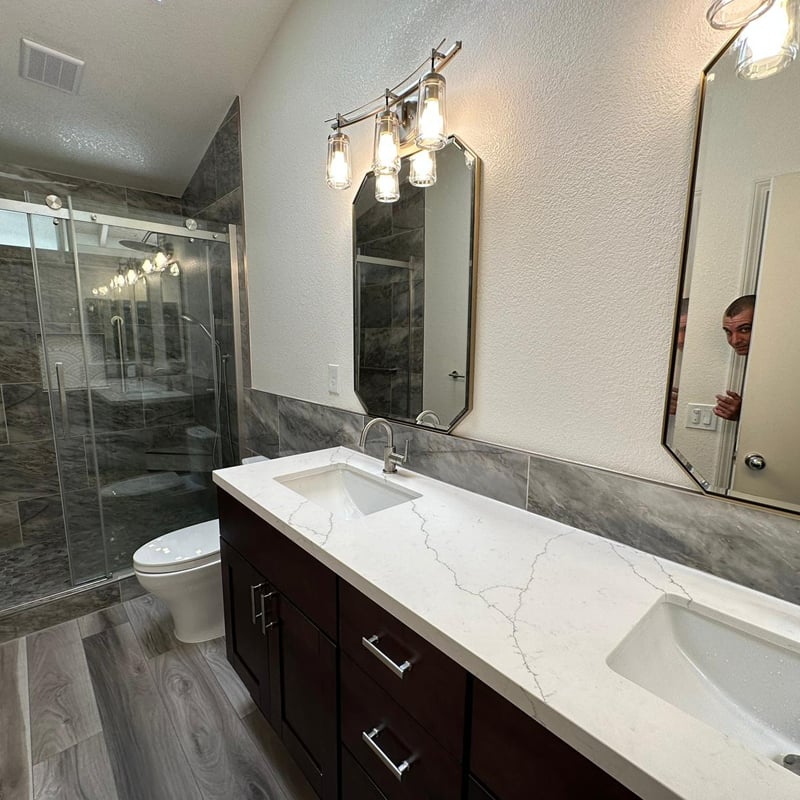
Expanding your home is one of the most effective ways to increase both livable space and property value without the stress and expense of moving. Whether you need an extra bedroom, a home office, or a larger kitchen, house additions offer a customizable solution that adapts to your evolving lifestyle.
In today’s competitive real estate market, many homeowners are choosing to invest in residential additions rather than upgrading to a new property. This approach allows them to stay in a familiar neighborhood while tailoring their current space to meet changing needs—be it for a growing family, multigenerational living, or remote work.
However, the process of adding onto your home requires more than just a good idea. It involves structural planning, zoning compliance, permits, and skilled craftsmanship. Understanding your options for building additions—attached, detached, or vertical—is the first step toward a successful project. This guide will walk you through the essentials of planning, designing, and building the right kind of addition for your home.
A home addition is a construction project that expands the square footage of your existing home by building new enclosed spaces. Unlike simple renovations that rework the layout of existing rooms, house additions involve structural changes and often require new foundations, electrical systems, HVAC extensions, and plumbing.
Residential additions typically fall into three categories:
Each type of addition serves a unique purpose. For example, an attached family room enhances communal space, a detached guesthouse offers privacy and rental potential, while a second-story addition maximizes your home’s footprint without sacrificing outdoor space.
The scope of building additions can range from small bump-outs that extend a room by a few feet, to full-scale multi-room expansions that double the size of a house. Regardless of size, every addition must comply with local building codes and zoning regulations, which govern aspects such as height limits, property line setbacks, and lot coverage.
Ultimately, a well-planned home addition should blend seamlessly with the original structure—both in design and function—while enhancing daily life and long-term property value.
Choosing the right type of addition is critical to the success of your home expansion project. Each option—whether it’s an attached room, a separate structure, or a second story—offers unique advantages depending on your goals, lot size, zoning restrictions, and budget. Below, we explore the three most common types of residential home additions in detail to help you determine which is best suited to your property.
An attached home addition is physically connected to the existing structure and is often built to expand interior living areas. This is one of the most common types of additions to houses because it allows for easy access from the main part of the home and seamless integration with current utility systems.
Examples include:
Advantages:
Challenges:
For homeowners looking to add usable square footage for everyday living, attached residential home additions offer an efficient and cost-effective solution.
Detached additions are freestanding structures located elsewhere on your property. Unlike attached additions, these are not physically connected to the main house and usually require separate foundations and utility systems. This type of addition to a house is ideal for creating independent spaces that offer privacy and flexibility.
Common examples include:
Advantages:
Challenges:
Detached additions to houses are perfect for homeowners who need extra space but want to maintain clear separation between primary and secondary living areas.
When lot size is limited and expanding outward isn’t feasible, building upward becomes the best solution. A second-story addition involves adding a new floor on top of the existing structure, effectively doubling the living space without increasing the home’s footprint. These residential home additions are especially popular in urban or suburban neighborhoods where yard space is at a premium.
Typical second-story additions include:
Advantages:
Challenges:
Second-story additions to houses are a powerful way to reimagine your home’s potential without sacrificing your backyard or patio. When planned and executed properly, they deliver high functional value and aesthetic impact.
A successful home addition starts long before construction begins. The planning phase is where your vision takes shape and critical decisions are made regarding scope, cost, design, and execution. Whether you’re expanding your kitchen, adding a guest suite, or building a second story, proper planning minimizes risks, keeps your project on budget, and ensures that your new space meets all structural and lifestyle requirements.
Developing clear, strategic home additions plans is essential for maximizing your investment and avoiding costly surprises down the line. Here’s how to get started.
Before hiring a contractor or creating blueprints, you need a detailed understanding of what you want to achieve and how much you’re willing to spend. Setting clear goals helps guide every aspect of the project—from layout decisions to material choices—and ensures your final result aligns with both functional needs and aesthetic preferences.
Start by asking yourself:
Defining these goals early shapes the entire design process and helps contractors create accurate home additions plans tailored to your needs.
When budgeting for additions on houses, it’s important to go beyond base construction costs. Your total budget should account for:
Costs can vary significantly depending on the type of addition. For example, detached structures and second-story builds typically involve higher expenses due to independent foundations or load-bearing modifications.
A realistic and well-researched budget is the backbone of every successful home addition project.
No matter how simple your idea may seem, executing additions on houses requires collaboration with qualified professionals who understand the complexities of residential construction. Attempting a major addition without expert guidance can result in code violations, poor workmanship, or structural issues.
At a minimum, your project team should include:
An experienced contractor will also help refine your home additions plans, recommend durable and cost-effective materials, and advise on how to blend the new construction with the existing structure—both aesthetically and functionally.
When selecting professionals, be sure to:
A collaborative relationship with a skilled team is the key to turning your concept into a lasting and compliant addition that enhances both your home and quality of life.
Once the functional goals and budget are defined, the next critical phase is design. A well-executed design ensures that the addition to the house not only fulfills practical needs but also blends seamlessly with the existing structure—visually, structurally, and spatially.
The new addition should feel like a natural part of the home, not an afterthought. This means matching rooflines, siding materials, window styles, and foundation height. In houses with additions, poor visual integration can significantly affect resale value and curb appeal.
Key design elements to match:
It’s essential to maintain a logical flow between old and new areas. Hallways, transitions, and sightlines should feel intuitive. Consider how traffic patterns will change and whether new or widened doorways will be necessary.
Modern additions to the house should meet or exceed energy codes. This includes:
Energy-efficient design not only lowers utility costs but also increases comfort and sustainability.
Depending on the type of addition, you may need to extend plumbing, electrical, and HVAC systems. Plan ahead for:
Failing to consider system integration during design can lead to costly rework later.
The timeline for completing a house addition varies significantly based on scope, complexity, and permitting requirements. While small bump-outs may be completed in a few weeks, full-scale additions to the house can take several months from start to finish.
Careful planning and working with experienced professionals can significantly reduce delays and keep your timeline realistic.
Understanding the financial investment required for each type of house addition helps you plan with confidence. Costs vary based on size, design complexity, material quality, and regional labor rates.
Here’s a breakdown of typical average costs in the U.S. (2025 estimates):
Type of Home Addition | Average Cost per Square Foot | Total Estimated Cost (Based on Scope) |
Attached Addition | $150 – $300 | $40,000 – $120,000 |
Detached Structure | $200 – $400 | $60,000 – $150,000+ |
Second-Story Addition | $250 – $500 | $100,000 – $300,000+ |
Houses with additions that are properly budgeted tend to yield the highest return on investment—especially when designed with long-term functionality and resale in mind.
Before starting construction on any addition to the house, it’s essential to understand the zoning regulations and permitting process specific to your local jurisdiction in California. Zoning laws dictate what types of additions to houses are allowed based on your property’s zoning classification, lot size, and use restrictions.
Each city or county has its own zoning codes, and violating them can lead to legal issues or forced demolition. You must verify your property’s zoning designation before designing your project.
In California, nearly all additions to houses require building permits issued by the local building department. Depending on the scope, you may need:
Plans must be submitted for review and must comply with the California Building Standards Code, which regulates construction safety, accessibility, energy efficiency, and more.
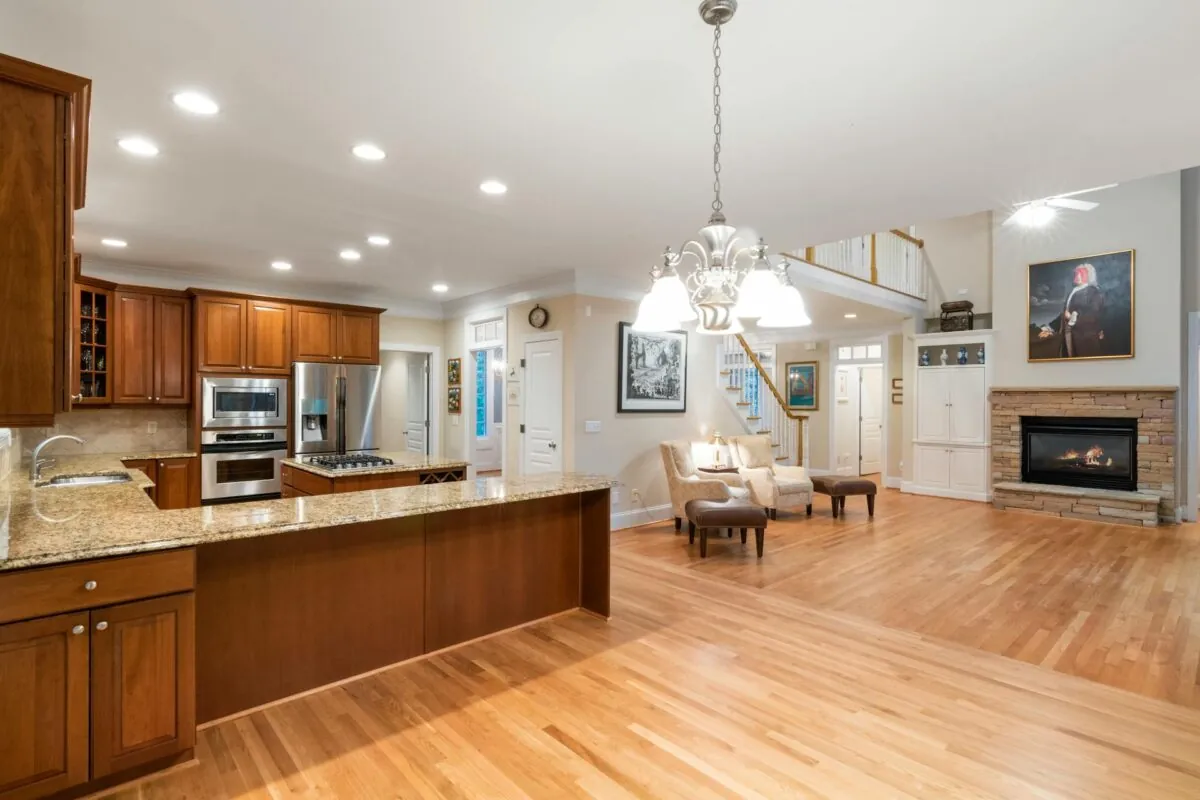
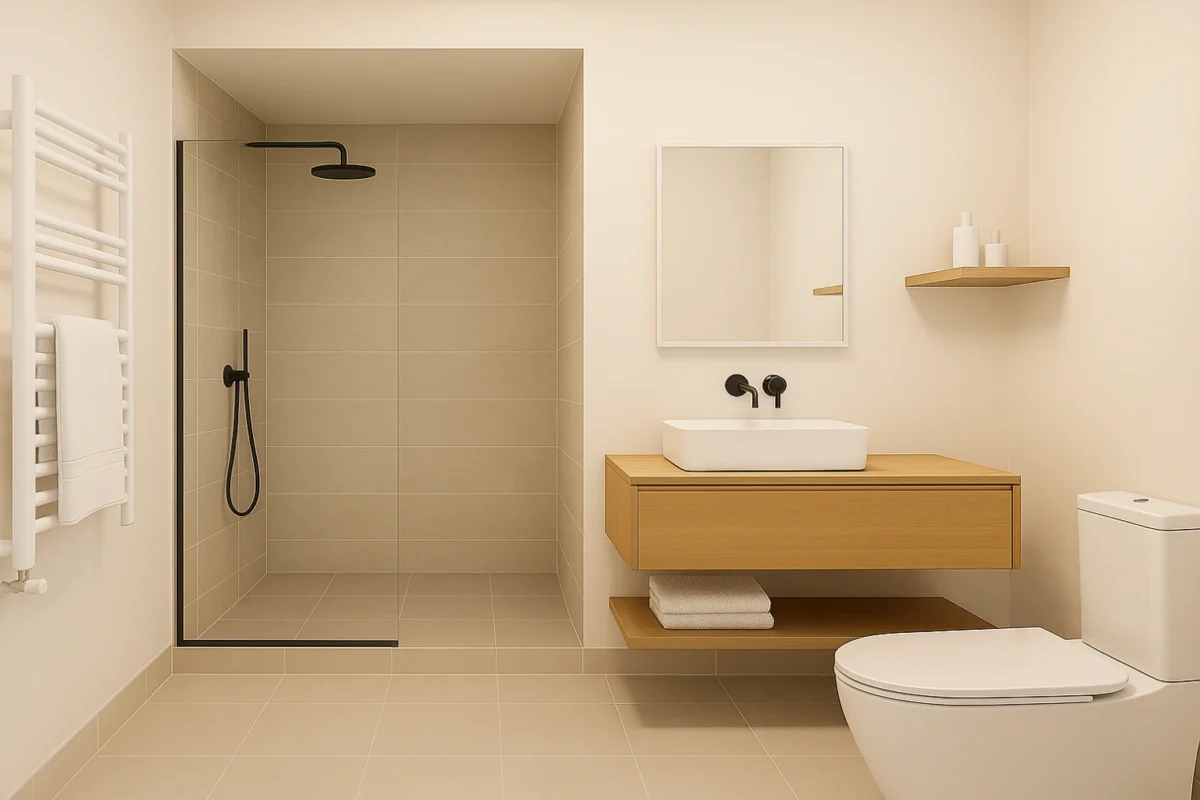
When planning an addition to the house, it’s important to balance creativity with function. The best home additions not only expand your living space but also enhance your daily life. Here are some of the most popular and practical additions to houses that California homeowners are considering in 2025:
Inspiration should align with your long-term goals, whether it’s multigenerational living, future resale value, or adapting to new work-from-home lifestyles.
The success of any addition to the house depends on the experience, reliability, and communication of the contractor you choose. JC Construction brings years of expertise in designing and building high-quality additions to houses across California, with a client-first approach that ensures peace of mind throughout the process.
From your first call, JC Construction offers a comprehensive consultation to understand your goals, budget, and site conditions. They help develop clear and practical home addition plans that align with your needs.
JC Construction handles both design and construction, creating a seamless process from concept to completion. This integrated approach reduces miscommunication, ensures budget accuracy, and accelerates timelines.
The team is well-versed in California zoning regulations and building codes. They manage the permitting process, ensure compliance, and address any municipal concerns, so your project proceeds without unnecessary delays.
JC Construction uses experienced crews and vetted subcontractors. Every phase—from demolition to final walkthrough—is professionally managed, with regular updates, inspections, and quality checks.
Clients receive detailed proposals, timelines, and project tracking. JC Construction stays responsive, flexible, and committed to delivering outstanding results that enhance both function and value.
Whether you’re building a second-story addition, a private studio, or a kitchen expansion, JC Construction ensures your project is completed on time, on budget, and to the highest standard.
Adding new space to your home is a major investment—but when done right, it transforms how you live, increases your property’s value, and gives you the flexibility your lifestyle demands. Whether you’re considering a second-story build, a detached guesthouse, or a modest kitchen extension, thoughtful planning, code-compliant design, and the right construction team are essential.
From navigating California’s building regulations to executing structurally sound, visually cohesive designs, each addition to the house should serve your long-term goals while integrating beautifully with the home you already love.
JC Construction stands ready to guide you through every step—helping you build not just a bigger house, but a better home.
JC Construction & Remodeling is more than just a construction company; we are your dedicated partners in transforming your vision into reality. With over a decade of industry experience, our locally owned and operated business has honed its craft, delivering exceptional home improvement solutions to our valued clients. Integrity and honesty are the cornerstones of our approach, guiding every interaction and decision we make. We understand that each project is unique.
Whether you’re looking to renovate your entire home or simply need a few repairs, our team is equipped with the expertise and resources to exceed your expectations. At JC Construction & Remodeling, quality is not just a goal; it’s a standard we uphold in every aspect of our work. Specializing in general home improvement and remodeling, we take immense pride in the craftsmanship and attention to detail that defines our projects.