
Sacramento's Premier Home Remodeling Company
In California’s ever-evolving housing landscape, the debate of JADU vs ADU has become increasingly relevant for homeowners seeking to maximize their property’s potential. As housing costs continue to soar across Sacramento and Northern California, many residents are exploring creative solutions to accommodate growing families and generate additional income. Understanding the nuances between Junior Accessory Dwelling Units (JADUs) and Accessory Dwelling Units (ADUs) can mean the difference between a successful property investment and a costly misstep.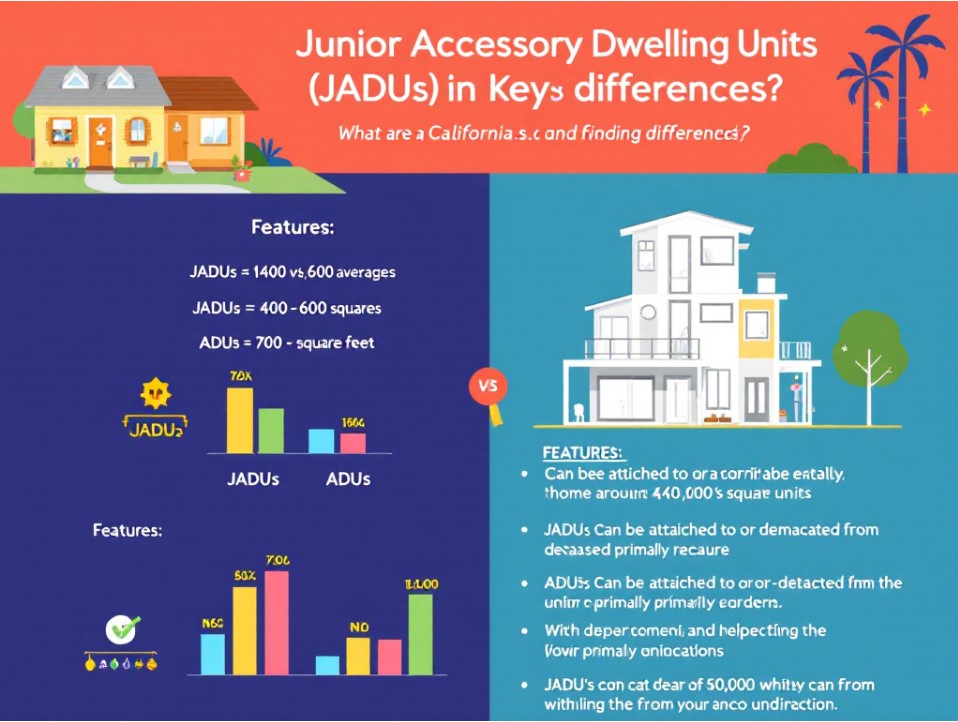
When it comes to adu vs jadu california regulations, homeowners face distinctly different options for expanding their living space. Traditional ADUs function as complete separate living quarters, whether as detached structures in the backyard or attached additions to the main dwelling. These self-contained units typically include a full kitchen, separate bathroom, and independent access, making them ideal for rental income or multigenerational living arrangements. The flexibility of ADUs has made them particularly attractive in regions facing housing shortages.
JADUs offer a unique approach to property expansion by repurposing existing space within your single-family home. Unlike their larger counterparts, JADUs are limited to a maximum square footage of 500 feet and often feature an efficiency kitchen with plug-in appliances. Many Sacramento homeowners have found success converting spare bedrooms or underutilized garage space into comfortable living areas that maintain an internal connection to the main residence while providing privacy through a separate entrance.
Sacramento homeowners often grapple with choosing between converted space versus new construction. While ADUs can stretch up to 1,200 square feet depending on local zoning ordinances, they require careful consideration of structural integrity and utility connections. The construction phases typically involve significant development costs, from foundation work to finishing touches. Meanwhile, JADUs maximize existing dwelling units, sharing utilities with the main house and often utilizing common sanitation facilities to reduce expenses.
The investment considerations between these housing options vary substantially. Building an ADU involves higher upfront costs but potentially generates a stronger rental income stream through independent living arrangements. Property appreciation often follows, particularly in coastal zones where housing demand remains high. Conversely, JADUs offer a more budget-conscious path to property expansion, with lower development costs and simplified building permits, though they may yield more modest returns.
Local regulations in Sacramento have embraced both options as viable solutions to the housing crisis. The ministerial approval process has been streamlined, particularly for JADUs, making the permitting process more straightforward. However, deed restrictions and owner occupancy requirements still apply differently to each type, impacting long-term planning and financing options.
The path to creating living spaces differs markedly between these options. ADU construction mirrors building a small house, requiring fire separation considerations and adherence to strict building codes. Many Northern California contractors report construction phases spanning several months, with particular attention paid to structural integrity and independent utility connections. JADUs, typically involving garage conversion or interior remodeling, often wrap up more quickly since they leverage existing infrastructure and shared utilities.
Tax benefits and market value considerations play crucial roles in the decision-making process. While ADUs command higher rental unit rates due to their independence, JADUs excel in sustainable development by repurposing existing residential space. Sacramento homeowners increasingly view both options as viable solutions for aging in place or accommodating flexible living arrangements.
The reality of shared living space versus independent quarters shapes daily life significantly. ADUs function as granny flats or in-law units with complete autonomy, featuring separate entrances and full kitchens. Meanwhile, JADUs foster closer family connections through their internal connection to the main dwelling, though with enough separation to maintain privacy. This setup particularly appeals to families exploring multigenerational living options.
Operating expenses and long-term maintenance differ substantially between these housing options. ADUs require independent upkeep of all systems, while JADUs benefit from shared maintenance with the primary residence. As affordable housing remains a pressing concern in Northern California, both options continue evolving to meet changing needs and regulations.
The permitting process varies across Northern California jurisdictions. Sacramento’s zoning ordinances have evolved to accommodate both housing solutions while maintaining neighborhood character. Parking requirements typically prove more stringent for ADUs, especially in areas without robust public transit. JADUs often receive more lenient treatment regarding connection fees and utility requirements, making them particularly attractive in established neighborhoods.
Sacramento’s housing market has witnessed numerous successful conversions of both types. One standout example includes a detached structure ADU that now generates substantial rental income for its owners while providing complete privacy through independent access. Meanwhile, a recent JADU project transformed an underutilized master suite into an efficiency kitchen living space, perfectly suited for an aging parent who benefits from the internal connection to family support.
Development costs vary significantly between these options. A typical ADU project in Sacramento requires careful financing options consideration, often involving construction loans or home equity. JADU conversions generally demand less capital, though property appreciation potential may be more modest. Both options contribute differently to solving housing needs while offering unique paths to return on investment.
As Northern California’s housing market continues evolving, both ADUs and JADUs play vital roles in addressing residential space shortages. Sustainable development practices increasingly influence building codes and design considerations. The future points toward even more streamlined approval processes and innovative approaches to maximize living potential within existing properties.
Property rights and local regulations shape development opportunities in Sacramento’s neighborhoods. Owner occupancy requirements differ between units – JADUs mandate owner presence while ADUs offer more flexibility. Building codes emphasize safety through fire separation standards in detached structures, while conversion space within existing homes faces different scrutiny levels.
Recent updates to Northern California’s housing policies have streamlined the ministerial approval process. Coastal zone restrictions still impact ADU development more heavily than JADU projects. Understanding these nuances helps homeowners navigate deed restrictions and secure necessary building permits efficiently.
The housing crisis continues driving creative solutions in residential space usage. While ADUs provide complete independent living through separate bathrooms and full kitchens, JADUs excel in shared living space arrangements. Both options support aging in place through different approaches – ADUs offering complete autonomy and JADUs maintaining family proximity.
As housing needs evolve, operating expenses and maintenance requirements merit careful consideration. ADUs demand separate utility connections and individual systems maintenance, while JADUs benefit from shared utilities and integrated maintenance approaches. These practical differences significantly impact long-term affordability and sustainability.
The choice between ADUs and JADUs represents more than just different housing options – it reflects evolving approaches to sustainable development and affordable housing in Northern California. While ADUs continue attracting property owners seeking rental income streams and complete independent living solutions, JADUs have carved out their niche by offering cost-effective alternatives that maintain family connections. Sacramento’s experience shows both options successfully addressing housing needs through different paths.
These housing solutions will likely become even more refined as building technology and local regulations evolve. Property values continue benefiting from both additions, though their impacts differ. Whether choosing an ADU’s comprehensive independence or a JADU’s integrated approach, homeowners now have viable options for expanding their living space while contributing to Northern California’s housing solution.
Success ultimately depends on matching the right option to specific circumstances – considering factors from development costs and financing options to family needs and long-term goals. As the housing market continues evolving, both ADUs and JADUs remain valuable tools in addressing California’s ongoing housing challenges while offering homeowners practical paths to property enhancement and value appreciation.
For Sacramento homeowners weighing these options, understanding the distinctions between ADUs and JADUs proves crucial for making informed decisions. Each choice offers unique advantages in addressing housing needs while providing different approaches to property expansion. As Northern California’s housing landscape continues evolving, both options remain vital components in creating sustainable, flexible living arrangements that serve diverse family needs while enhancing property value.
 8 Types of Natural Stone Countertops
 What’s the Difference Between Prefab Countertops and Slab Countertops?
 Floating Stairs: Modern, Contemporary Design for Sacramento Homes
 Types of Shower Doors: Pros and Cons
 How Much Does it Cost to Build an ADU in Sacramento?
 Home Window Replacement Cost in Sacramento (2026)
 What is the 30% Rule in Home Renovation & Remodeling?
 What To Expect When Remodeling Your Bathroom
 Top Kitchen Trends for 2026: What’s Hot in the Latest Kitchen Remodels
 Doorless Walk-In Shower Ideas for Small Bathrooms
 Best Underlayment Options for Vinyl Flooring in a Basement – What You Really Need to Know
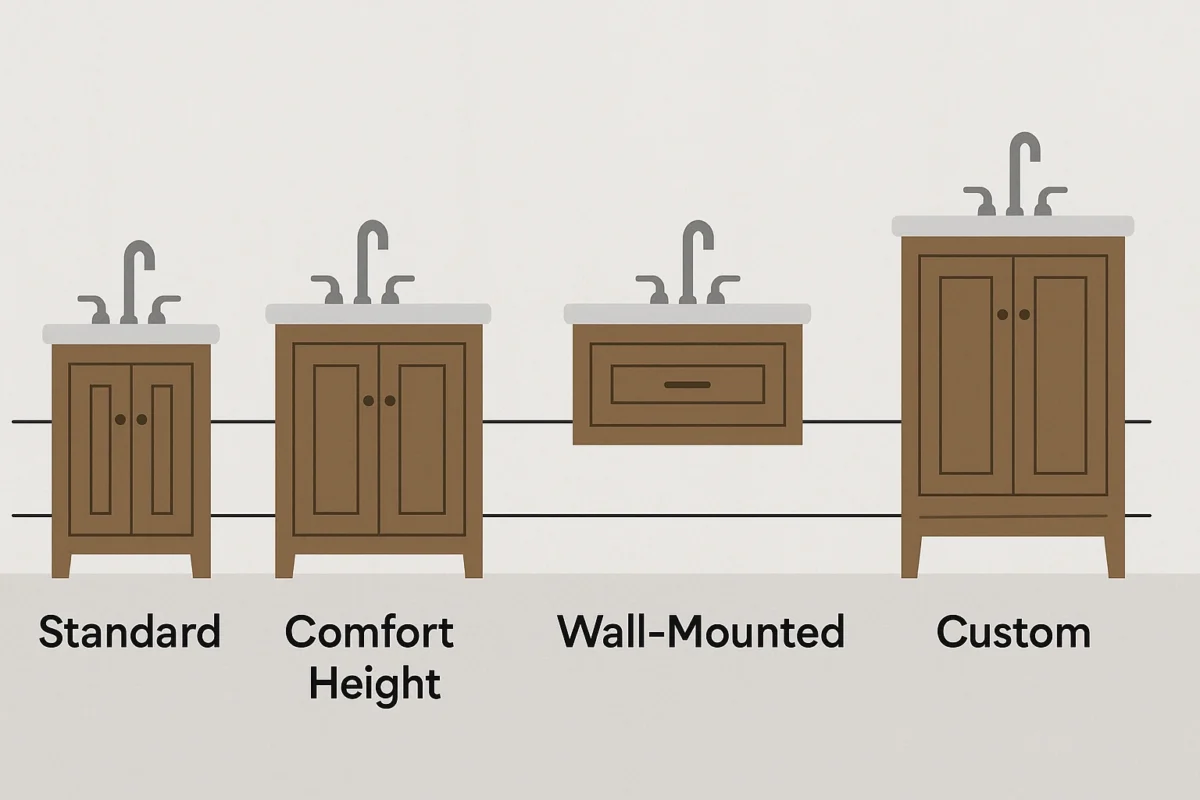 Bathroom Vanity Height Guide: Standard, Comfort, and Custom Options Explained
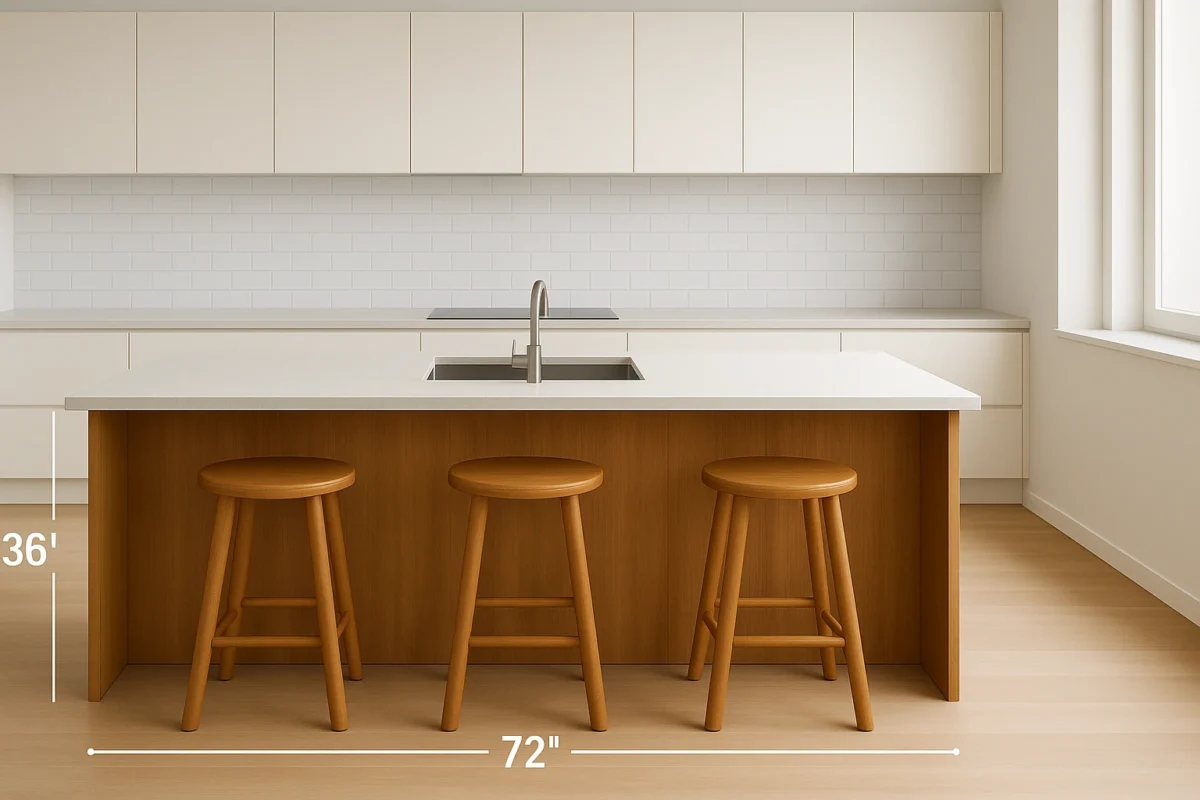 Average Kitchen Island Height and Dimensions: What You Need to Know Before Planning Your Remodel
 What’s The Most Expensive Part Of A Bathroom Remodel?
 Do You Need a Permit to Remodel a Bathroom? Expert Guide
 How to Remodel a Bathroom with a Window in the Shower – Professional Solutions
JC Construction & Remodeling is more than just a construction company; we are your dedicated partners in transforming your vision into reality. With over a decade of industry experience, our locally owned and operated business has honed its craft, delivering exceptional home improvement solutions to our valued clients. Integrity and honesty are the cornerstones of our approach, guiding every interaction and decision we make. We understand that each project is unique.
Whether you’re looking to renovate your entire home or simply need a few repairs, our team is equipped with the expertise and resources to exceed your expectations. At JC Construction & Remodeling, quality is not just a goal; it’s a standard we uphold in every aspect of our work. Specializing in general home improvement and remodeling, we take immense pride in the craftsmanship and attention to detail that defines our projects.

