Sacramento's Premier Home Remodeling Company
Blog

How Often Should You Remodel Your Kitchen?

by JC Construction Team
Read article

The kitchen is the heart of most homes, functioning as both a practical workspace and a social gathering spot. As the most frequently used room, kitchens naturally experience significant wear over time. Many homeowners wonder about the timing for updates to maintain functionality, aesthetics, and property value. While conventional wisdom suggests a significant renovation every 10-15 years, the reality depends on numerous variables specific to each household’s circumstances.

How often should you remodel your kitchen depends on factors ranging from material durability to changing family needs. Understanding these elements helps homeowners decide when to invest in updates that balance immediate needs with long-term value.

Professional contractors recognize that kitchen updates range from simple cosmetic refreshes to comprehensive overhauls. This guide examines the typical kitchen remodeling timeline, signs indicating the need for changes, and strategies for planning updates that deliver lasting satisfaction.

The Kitchen Remodeling Lifecycle - When Is It Time for a Change?

Kitchens undergo a natural lifecycle that progresses from new installation through gradual aging to eventual obsolescence. Most kitchen designs maintain relevance for approximately 10-15 years before functional or aesthetic considerations prompt homeowners to consider updates. This timeline varies significantly based on construction quality, use intensity, and maintenance practices.

Durability Factors in Kitchen Longevity

High-quality materials installed professionally typically extend a kitchen’s functional lifespan. Solid wood cabinets may remain structurally sound for decades, while particleboard versions often show deterioration within 7-10 years. Countertops vary dramatically in durability—natural stone typically outlasts laminate by many years.

Early Warning Indicators

Most kitchens signal their declining functionality before complete failure occurs. Cabinet doors that no longer close correctly, drawer slides that stick, and countertop surfaces showing significant wear represent early indicators that updates may become necessary soon. Addressing these issues promptly often prevents more extensive problems.

Professional remodelers observe how often remodeling kitchen spaces correlates directly with usage patterns. Households that cook frequently, entertain regularly, or include multiple cooks naturally place greater demands on kitchen infrastructure, potentially accelerating the need for updates.

Why Timing Matters

Delaying necessary kitchen updates often leads to cascading problems and potentially higher costs. For instance, minor water leaks ignored can damage subfloors, cabinet bases, and even structural elements. Recognizing the optimal timing for renovations helps homeowners maintain functionality and property value while managing budgets effectively.

Renovation vs Remodeling Understanding Your Kitchen Update Options

When planning updates, homeowners should distinguish between kitchen renovations and complete remodels. These approaches differ significantly in scope, cost, timeline, and potential disruption to household routines.

What Constitutes a Renovation

Kitchen renovations focus primarily on surface-level changes while maintaining the existing layout and infrastructure. These updates typically include cabinet refacing or repainting, hardware replacement, countertop substitution, and appliance upgrades. Renovations address aesthetic concerns and minor functional improvements without altering the fundamental kitchen structure.

How often you should renovate your kitchen typically falls within a 5-10-year cycle for most homes. This timeframe allows for addressing worn finishes, updating dated aesthetics, and incorporating incremental improvements in technology and materials.

When Full Remodeling Becomes Necessary

Kitchen remodeling involves structural changes such as removing walls, relocating plumbing or electrical systems, reconfiguring layouts, or expanding into adjacent spaces. These projects fundamentally transform kitchen functionality and appearance, addressing deeper issues than surface renovations can resolve.

Most industry professionals recommend contemplating a complete kitchen remodel every 15-20 years, assuming regular maintenance and minor renovations occur between major updates. Complete remodels address fundamental layout inefficiencies, significant deterioration, or substantial changes in household needs.

Cost-Value Considerations Between Approaches

Renovations typically cost 30-50% less than full remodels while delivering significant aesthetic improvement. However, renovations cannot address fundamental layout problems or structural deficiencies. Homeowners should evaluate their kitchen’s functionality before deciding which approach suits their situation.

Kitchen Updates Timeline From Minor Refreshes to Complete Overhauls

Understanding the typical timeline for different kitchen update levels helps homeowners plan effectively for maintaining their spaces. This progression from minor updates to major overhauls represents the natural evolution most kitchens experience.

Quarterly Maintenance Tasks

Professional kitchen maintenance includes quarterly tasks that extend kitchen longevity. Cabinet hardware tightening, drain cleaning, caulk inspection, and appliance maintenance represent simple procedures that prevent premature deterioration and maintain functionality.

Annual Refreshes

Yearly kitchen attention might include deep cleaning behind appliances, inspecting for water damage or pest issues, resealing natural stone surfaces, and addressing any problems developing with cabinet functionality. These annual procedures help maintain kitchen aesthetics and performance.

3-5 Year Light Updates

How often should you update your kitchen with light improvements, typically following a 3-5-year cycle? These updates include repainting walls, replacing dated hardware, upgrading lighting fixtures, or adding organizational accessories to cabinets. These relatively inexpensive updates refresh the kitchen’s appearance without significant investment.

5-10 Year Medium Renovations

Medium renovations typically become appropriate in the 5-10 year timeframe. These projects often include replacing appliances, updating countertops, refacing cabinets, installing new flooring, or upgrading backsplashes. These renovations address both functional and aesthetic concerns without altering the fundamental layout.

How often kitchens are renovated at this medium level depends mainly on material quality and lifestyle factors. Households with children or frequent entertainers may need these updates sooner than average.

15-20 Year Major Remodels

Central kitchen remodels typically become appropriate after 15-20 years. These projects often involve complete cabinet replacement, layout reconfiguration, infrastructure updates, and comprehensive modernization. At this stage, fundamental changes to kitchen functionality address evolved household needs and deteriorated infrastructure.

Cabinet Replacement Considerations

How often you replace kitchen cabinets depends significantly on construction quality and usage patterns. Factory-built cabinets using engineered materials typically last 10-15 years before showing significant wear, while custom hardwood cabinets often remain functional for 20-30 years with proper care. Signs indicating replacement include structural damage, moisture damage affecting integrity, or fundamental storage inadequacies.

5 Critical Factors That Determine Your Kitchen's Remodeling Timeline

Multiple variables influence how frequently kitchens require updating. Understanding these factors helps homeowners anticipate needs and plan effectively for maintaining their spaces.

Material Wear and Design Evolution When Your Kitchen Shows Its Age

Physical deterioration represents the most obvious signal for kitchen updates. Different materials age at varying rates depending on quality, usage, and maintenance practices.

Cabinet Lifespan Variables

Cabinet longevity varies significantly based on construction methods and materials. Particleboard cabinets with laminate or thermofoil finishes typically show wear within 7-10 years, while solid wood units often remain functional for decades. Signs of cabinet deterioration include sagging shelves, sticking drawers, delaminating finishes, water damage at sink bases, and broken hardware mounting points.

Countertop Durability Differences

Countertop materials demonstrate vastly different durability profiles. Laminate surfaces typically show significant wear within 10 years, while natural stone remains functional for 20+ years despite potentially developing cosmetic imperfections. Solid surface materials like Corian occupy a middle ground, performing well for 12-15 years before showing noticeable wear.

Flooring Replacement Indicators

Kitchen flooring experiences intense stress from foot traffic, dropped items, moisture exposure, and cleaning chemicals. Vinyl flooring typically requires replacement after 8-12 years, while ceramic tile often lasts 15-20 years before grout deterioration or tile damage necessitates updates. Hardwood and engineered wood products demonstrate variable longevity depending on finish quality and maintenance practices.

Design Obsolescence Factors

Beyond physical deterioration, kitchens often require updating when designs become noticeably dated. Kitchen styles typically maintain contemporary relevance for 10-15 years before evolving preferences make them appear visibly outdated. Certain design elements date more quickly than others—hardware and lighting fixtures often appear outdated within 5-7 years, while cabinet door styles typically maintain relevance longer.

Lifestyle Changes and Home Value Functional Reasons to Remodel

Beyond physical wear, changing household needs often drive kitchen updates on an independent timeline. These functional considerations frequently trigger remodeling even when materials remain serviceable.

Family Evolution Impacts

Household composition changes significantly impact kitchen functionality requirements. Growing families often need increased storage, enhanced safety features, and more durable materials. Empty-nesters might prioritize entertaining capabilities over maximum storage. Aging homeowners frequently require accessibility modifications that necessitate layout changes regardless of material condition.

Technological Integration Needs

Kitchen technology advances rapidly, creating functional obsolescence even when physical structures remain sound. Older kitchens often lack sufficient electrical capacity for modern appliances, proper ventilation for high-BTU cooking equipment, or space for specialized devices. These technological limitations frequently necessitate updates independent of material conditions.

Property Value Considerations

Real estate professionals observe that kitchens significantly impact home marketability and valuation. Kitchens appearing noticeably dated compared to neighborhood standards can reduce property values and extend selling timelines. Homeowners planning to sell within 2-3 years often undertake strategic updates to enhance marketability regardless of physical condition.

Work Pattern Adaptations

The increasing prevalence of remote work has transformed how many households utilize kitchen spaces. Many families now require kitchen areas accommodating temporary workspaces, charging stations, or video conferencing setups. These emerging needs often necessitate reconfigurations even when existing materials remain functional.

Is Your Kitchen Due for an Update Professional Assessment Guide

After years of daily use, kitchens gradually develop issues that signal the need for renovation or remodeling. Professional contractors use systematic assessment methods to evaluate kitchen conditions and functionality. Understanding these evaluation techniques helps homeowners recognize when their kitchen requires attention.

Practical Kitchen Evaluation Process

Comprehensive kitchen assessment involves examining multiple components independently while also considering overall functionality. This systematic approach prevents overlooking critical issues that might affect remodeling decisions. Determining how often you should update your kitchen requires regularly evaluating these key components.

10 Unmistakable Signs It’s Time to Remodel Your Kitchen

Structural Integrity Concerns

Cabinet deterioration is one of the most common indicators for kitchen updates. Sagging shelves, doors no longer aligned properly, or visible water damage under sink areas signal that cabinet infrastructure has begun to fail. These issues typically progress over time, eventually compromising functionality completely.

Surface Deterioration Indicators

Countertop surfaces showing significant scratching, burn marks, staining, or separation at seams indicate material failure. These issues affect aesthetics and functionality, potentially creating food safety concerns as damaged surfaces harbor bacteria. When countertops reach this condition, replacement typically proves more practical than repair.

Floor Damage Assessment

Kitchen flooring experiences intense wear from foot traffic, dropped items, and moisture exposure. Cracked tiles, separating vinyl seams, warped wood, or pervasive staining indicate flooring systems requiring replacement. These issues often extend beyond surface appearance to affect subfloor integrity.

Storage Functionality Problems

Kitchens with chronically insufficient storage indicate fundamental design inadequacies. When organizational accessories no longer solve storage challenges, structural changes likely represent the only practical solution. Similarly, cabinets configured inefficiently for current storage need signal layout problems requiring comprehensive solutions.

Workflow Obstruction Issues

Inefficient kitchen layouts create daily frustration through poor workflow patterns. When food preparation requires excessive movement between work centers, multiple cooks cannot function without collision, or appliance doors interfere with traffic patterns, layout reconfiguration becomes necessary regardless of material condition.

Lighting Inadequacy Symptoms

Poorly illuminated kitchens create both functional problems and safety hazards. Shadows over work surfaces, insufficient task lighting, or over-reliance on a central fixture indicate lighting systems no longer meet contemporary standards. These deficiencies typically require electrical system modifications beyond simple fixture replacement.

Plumbing System Failures

Recurring plumbing issues, evidence of water damage, or frequent drain blockages indicate infrastructure problems beyond cosmetic concerns. These issues affect structural elements and create health hazards through mold development. Addressing these problems often requires accessing areas behind cabinets and under flooring.

Electrical Capacity Limitations

Kitchens with insufficient electrical capacity for contemporary appliances present functionality problems and safety hazards. Circuits that frequently trip when multiple appliances operate simultaneously indicate fundamental electrical inadequacies requiring infrastructure updates.

Ventilation Inadequacies

Poor kitchen ventilation creates immediate comfort issues and potentially causes long-term damage through moisture accumulation. Persistent cooking odors, visible grease accumulation on surfaces, or excessive humidity during cooking indicate ventilation systems requiring upgrades beyond simple hood replacement.

Persistent Pest Evidence

Recurring pest problems, despite treatment, often indicate structural access points or harborage areas within cabinets or walls. Addressing these issues frequently requires accessing void spaces behind finished surfaces, making renovation the practical opportunity for permanent resolution. Understanding how often kitchens are renovated becomes clearer when these persistent issues emerge.

Planning Your Next Kitchen Remodel Practical Timeline & Budget Guide

Strategic planning significantly impacts kitchen remodeling success. Understanding realistic timelines, budget considerations, and process requirements helps homeowners navigate updates efficiently while managing expectations appropriately.

Comprehensive Planning Timeline Development

Professional kitchen remodeling typically requires significant preparation before physical work begins. Most industry experts recommend allowing 2-3 months for planning and design before starting demolition. This preparatory period includes designing layouts, selecting materials, securing permits, and coordinating contractors.

Material Selection Strategies

Thoughtful material selection balances durability, aesthetics, sustainability, and budget considerations. Material choices significantly impact both initial costs and long-term satisfaction. Homeowners should evaluate options based on anticipated kitchen lifespan, usage patterns, maintenance requirements, and environmental factors.

Budget Framework Establishment

Most kitchen remodeling professionals recommend allocating funds proportionally across project components. Typical allocations designate 30-35% for cabinetry, 20% for labor, 10-15% for countertops, 10-15% for appliances, and the remainder for flooring, lighting, hardware, and accessories. This balanced approach prevents overinvesting in single elements while underinvesting in others.

Contractor Selection Process

Finding qualified remodeling professionals requires systematic evaluation. Homeowners should verify licensing, insurance coverage, project experience, and client references. Personal compatibility also significantly impacts project success, as kitchen remodeling requires extensive communication and collaboration. 

Project Management Considerations

Effective kitchen remodeling requires coordinating multiple tradespeople in the appropriate sequence. Professional remodelers typically allocate 6-12 weeks for physical work, depending on the project scope. This timeline includes demolition, infrastructure modifications, cabinet installation, countertop fabrication, appliance hookup, and finishing details.

Realistic Timeline Expectations

Kitchen remodeling projects commonly require adjustments as work progresses. Most experienced contractors recommend adding 15-20% to initial timeline estimates to accommodate unexpected discoveries, material delays, or necessary scope modifications. This buffer prevents unnecessary stress when adjustments become necessary.

Living Arrangements During Remodeling

Kitchen remodels significantly disrupt household routines. Before work begins, homeowners should establish temporary meal preparation areas, dining arrangements, and food storage solutions. These preparations substantially reduce stress during construction periods, rendering kitchens unusable for several weeks.

Kitchen Remodeling Frequency FAQs

Can minor updates extend the time between full kitchen remodels?

Strategic minor updates significantly extend periods between significant kitchen remodels. Replacing hardware, updating lighting fixtures, repainting walls, and refreshing backsplashes every 5-7 years maintain a contemporary appearance while addressing minor wear. These incremental improvements typically extend the period between comprehensive remodels from 10-15 years to 15-20 years while preserving kitchen functionality and appearance.

How does home age affect kitchen remodeling frequency?

Home age substantially influences kitchen remodeling needs through infrastructure considerations. Houses built before 1980 typically require more frequent updates due to outdated electrical systems, plumbing configurations, and structural limitations. Newer homes generally accommodate extended periods between major remodels, though material quality and usage patterns remain significant variables regardless of construction age.

What kitchen elements typically need replacing first?

Kitchen elements requiring the earliest replacement typically include faucets (7-10 years), garbage disposals (8-12 years), laminate countertops (10-15 years), and cabinet hardware (10-15 years). Flooring longevity varies dramatically by material, with vinyl typically requiring replacement after 10-15 years, while ceramic tile often lasts 20+ years. How often you should replace kitchen cabinets depends on quality, with most requiring attention after 15-20 years of regular use.

Should I remodel my kitchen before selling my home?

Kitchen remodeling before a home sale requires strategic decision-making based on market conditions and the existing kitchen’s condition. Minor updates delivering a contemporary appearance without significant investment typically provide positive returns, while comprehensive remodels rarely recover full costs at sale. Real estate professionals recommend addressing obvious deficiencies and dated appearances rather than complete reconfiguration when preparing for a sale.

What’s the best seasonal timing for kitchen remodels?

Optimal kitchen remodeling typically occurs during late spring through early fall when weather conditions minimize complications. This timing provides reliable material delivery schedules, permits proper ventilation during finishing processes, and avoids holiday disruptions. Industry professionals often experience lower demand during January-March, potentially offering more scheduling flexibility and occasionally more competitive pricing for projects during these periods.

Get a $1500 discount for your dream kitchen!
*Offer expires 11/29/24
More in Blog
by JC Construction Staff
11 Dec, 2025
Does a Bathroom Remodel Increase Your Home’s Value?
If you’ve been thinking about renovating your bathroom, you might be wondering what the ROI is of investing in a bathroom remodel. How much can you...
Blog
Read More
by JC Construction Staff
26 Nov, 2025
Powder Room and Half Bathroom Ideas
For Sacramento homeowners, having a bathroom that is beautiful as it is functional is important. Half bathrooms, also known as powder rooms, are an...
Blog
Read More
by JC Construction Staff
10 Nov, 2025
How Much Does it Cost to Build an ADU in Sacramento?
If you’re a Sacramento area homeowner looking to add more living space to your existing property, you may have been thinking about building an ADU....
Blog
Read More
by JC Construction Staff
01 Nov, 2025
How Much Does a Walk-in Tub Installation Cost in Sacramento?
Homeowners in Northern California often get walk-in tubs to improve accessibility, mobility, and independence. The cost of a walk-in tub in...
Blog
Read More
by JC Construction Staff
24 Oct, 2025
How Much Does a Sunroom Cost in California?
If you’re looking to add extra living space and natural sunlight to your home, a sunroom addition is a great choice. A sunroom is a room addition...
Blog
Read More
by Nick A
11 Oct, 2025
How Much Does Tub To Shower Conversion Cost In California?
Were you thinking of replacing your bathtub with a shower? This is a common home renovation many homeowners do to make their bathrooms more...
Bathroom Remodeling
Read More
by JC Construction Staff
26 Sep, 2025
How Much Does it Cost to Add a Second Story to a House in Sacramento?
Many homeowners in the Sacramento area want to expand and add square footage and rooms to their existing home. Because of various reasons, they might...
Blog
Read More
by JC Construction Staff
19 Sep, 2025
Average Kitchen Remodeling Costs in Sacramento
At JC Construction & Remodeling, we understand that a kitchen remodel is an investment in your home’s value, functionality, and aesthetic...
Blog
Read More
More articles by JC Construction Team
by JC Construction Team
23 Jun, 2025
Top Kitchen Trends for 2025: What’s Hot in the Latest Kitchen Remodels
Kitchen design is evolving fast, and 2025 is ushering in a wave of fresh, functional, and stylish ideas that are redefining how we think about the...
Blog 13 min read
Read More
by JC Construction Team
17 Jun, 2025
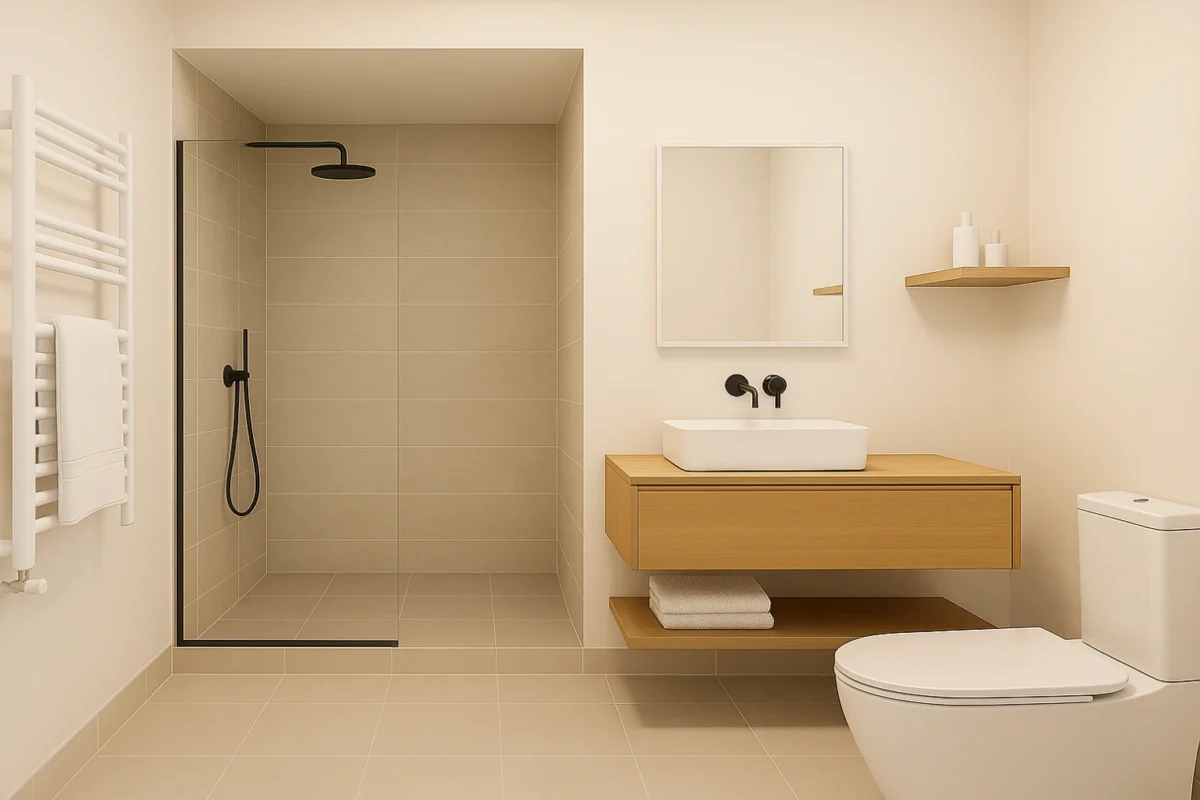
Doorless Walk-In Shower Ideas for Small Bathrooms
A doorless walk-in shower offers a perfect balance between style and practicality—especially in small bathrooms where space is limited. By removing...
Bathroom Remodeling
Read More
by JC Construction Team
13 Jun, 2025
Best Underlayment Options for Vinyl Flooring in a Basement – What You Really Need to Know
If you’re planning to install vinyl flooring in a basement, don’t overlook what goes underneath. The right underlayment isn’t just a supporting...
Blog
Read More
by JC Construction Team
09 Jun, 2025
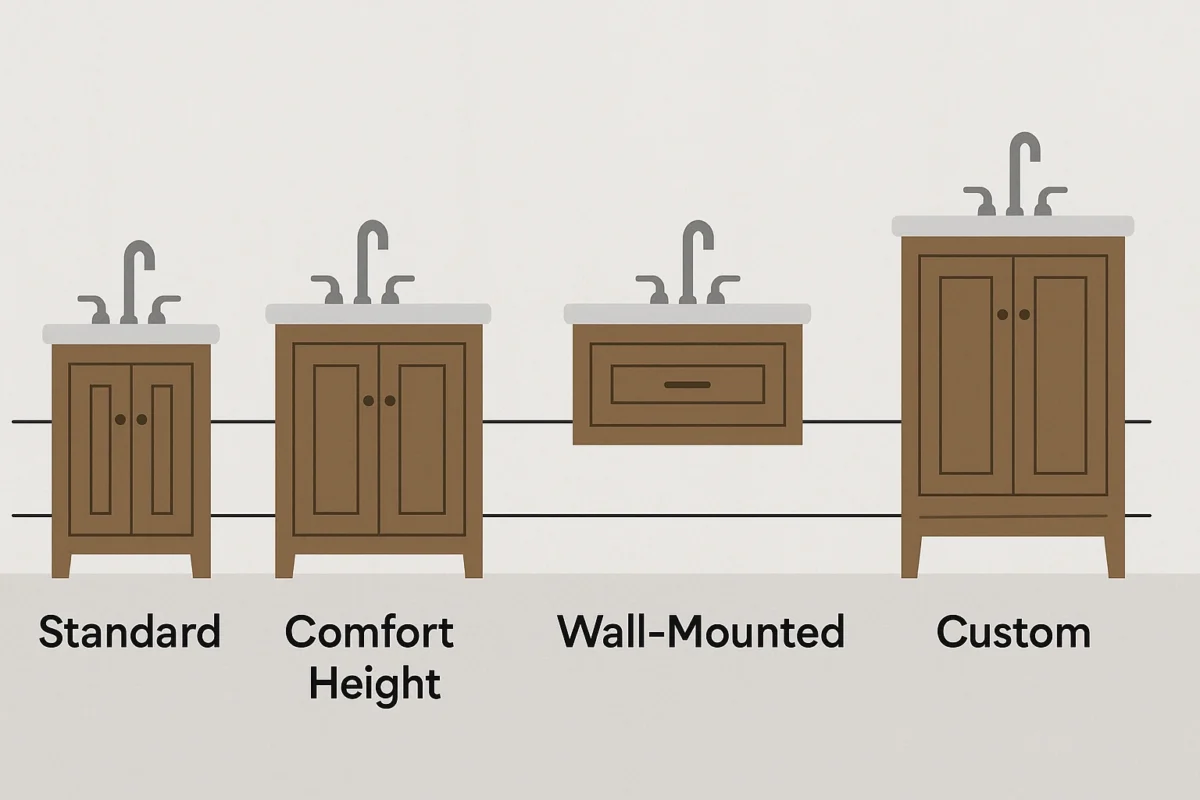
Bathroom Vanity Height Guide: Standard, Comfort, and Custom Options Explained
Choosing the right bathroom vanity height is more important than most homeowners realize. Whether you’re planning a remodel or buying a new vanity,...
Bathroom Remodeling
Read More
by JC Construction Team
02 Jun, 2025
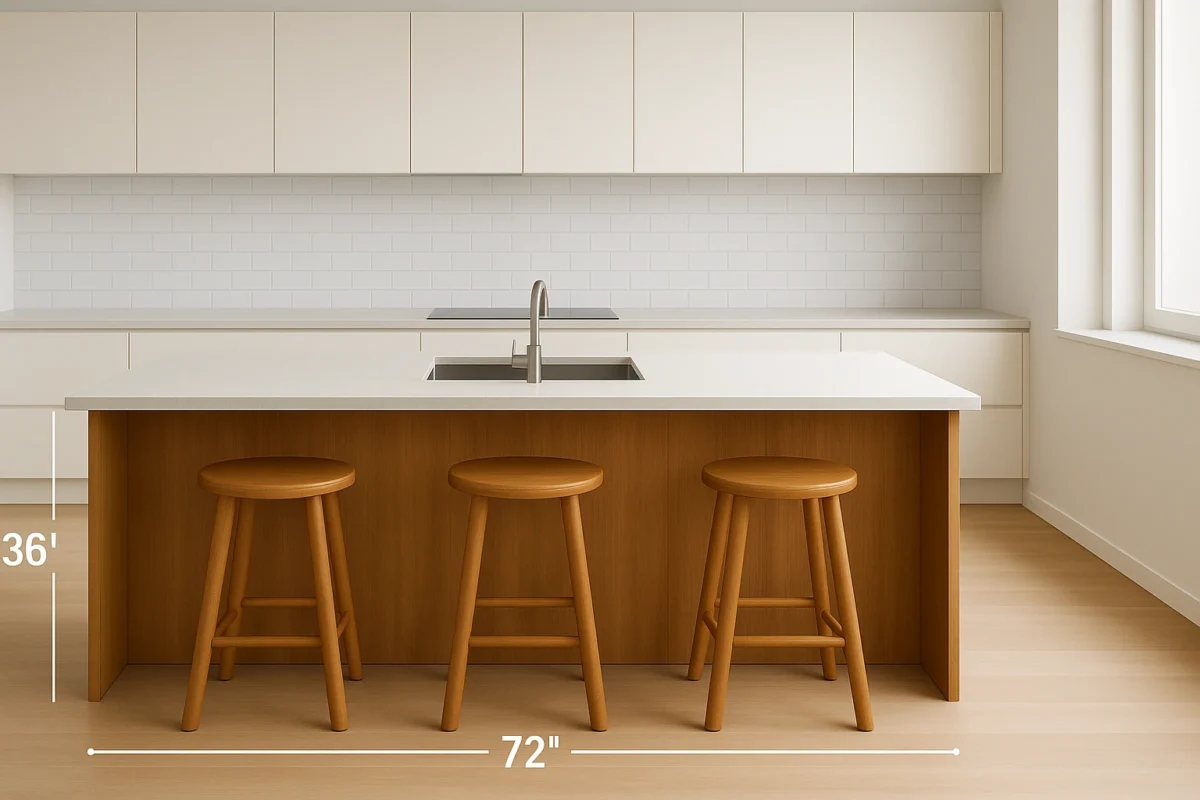
Average Kitchen Island Height and Dimensions: What You Need to Know Before Planning Your Remodel
If you’re remodeling your kitchen, few decisions are as impactful as choosing the right kitchen island. The size, height, and layout of your...
Blog
Read More
by JC Construction Team
29 May, 2025
What’s The Most Expensive Part Of A Bathroom Remodel And How To Reduce Expense?
When planning a bathroom renovation, homeowners often experience sticker shock upon receiving quotes. Understanding the most expensive part of a...
Bathroom Remodeling
Read More
by JC Construction Team
29 May, 2025
Do You Need a Permit to Remodel a Bathroom? Expert Guide
So you’ve decided to transform your outdated bathroom into a modern oasis. Before picking out fixtures and finishes, a vital question demands...
Bathroom Remodeling
Read More
by JC Construction Team
29 May, 2025
How to Remodel a Bathroom with a Window in the Shower – Professional Solutions
Remodeling a bathroom with a window in the shower presents unique challenges and opportunities for homeowners. While windows provide natural light...
Bathroom Remodeling
Read More
Your Trusted Home Improvement Partner

JC Construction & Remodeling is more than just a construction company; we are your dedicated partners in transforming your vision into reality. With over a decade of industry experience, our locally owned and operated business has honed its craft, delivering exceptional home improvement solutions to our valued clients. Integrity and honesty are the cornerstones of our approach, guiding every interaction and decision we make. We understand that each project is unique.

Why we offer a diverse range of customizable home improvement services

Whether you’re looking to renovate your entire home or simply need a few repairs, our team is equipped with the expertise and resources to exceed your expectations. At JC Construction & Remodeling, quality is not just a goal; it’s a standard we uphold in every aspect of our work. Specializing in general home improvement and remodeling, we take immense pride in the craftsmanship and attention to detail that defines our projects.

icon
Wait!
We can set the price for you for our kitchen remodeling service for 45 days
*Offer expires 11/29/24

    Fill out the form and get professional advice from an expert without any obligation!
    What are you interesting service in?
    *Free estimates for residential homeowners only. By submitting this form, you agree to receive a call from JC Construction about your project.
    person
    Martin Luther
    Manager at Sacramento's Premier Home Remodeling Company
    close
    Get My Free Estimate
    Get professional no-obligation advice from an expert!
    *Offer expires 11/29/24
    close
    Call back form
    We can set the price for you for our kitchen remodeling service for 45 days
    *Offer expires 11/29/24

      Fill out the form and get professional advice from an expert without any obligation!
      What services are you interested in?
      *Free estimates for residential homeowners only. By submitting this form, you agree to receive a call from JC Construction about your project.
      close
      Get $3000 discount for Your dream ADU!
      *Offer expires 11/29/24
      Fill out the form and get professional advice from an expert without any obligation!

        Fill out the form and get professional advice from an expert without any obligation!
        *Free estimates for residential homeowners only. By submitting this form, you agree to receive a call from JC Construction about your project.