
Sacramento's Premier Home Remodeling Company
The surge in backyard ADU construction across Northern California marks a revolutionary shift in how homeowners maximize their property value and living space. Sacramento residents increasingly embrace these versatile dwelling units, transforming unused yard space into valuable living areas that serve multiple purposes while generating additional income streams.

An ADU in backyard settings represents a self-contained residential unit located on the same lot as a primary residence. These structures provide complete independent living facilities, including sleeping quarters, kitchen facilities, bathrooms, and separate entrances. Northern California homeowners often refer to these units as granny flats, in-law suites, or secondary dwellings, though their functionality extends far beyond family housing.
Northern California’s housing market presents unique opportunities for ADU development. Property owners benefit from increased property values, potential rental income, and enhanced flexibility in living arrangements. The region’s temperate climate allows for year-round comfort in these spaces, while the strong rental market ensures consistent demand from potential tenants.
Backyard ADU ideas vary significantly based on property characteristics and homeowner needs. Detached units stand independently from the main house, offering maximum privacy. Attached ADUs share at least one wall with the primary residence, potentially reducing construction costs. Junior ADUs (JADUs) typically convert existing space within the main house, providing a more affordable entry point into ADU ownership.
Recent California legislation has streamlined the process of building an ADU in a backyard. State laws now mandate faster permit processing, reduced fees, and elimination of certain restrictive requirements that previously hindered ADU construction. These changes reflect California’s commitment to addressing housing shortages through innovative solutions.
Sacramento and surrounding communities maintain specific guidelines governing ADU construction. While state law provides the framework, local jurisdictions can impose additional requirements regarding setbacks, height limitations, and design standards. Understanding these nuances proves crucial for successful project completion.
The journey from concept to construction requires careful navigation of permit requirements. Building departments typically review plans for structural integrity, fire safety, and compliance with local codes. Successful applications include detailed site plans, architectural drawings, and documentation of utility connections.
Making informed decisions about your ADU project starts with a thorough evaluation of your available space and intended purpose. Northern California’s diverse topography and climate create unique considerations for property assessment.
Your property’s characteristics significantly influence ADU placement and design possibilities. Factors like lot size, slope, existing landscaping, and utility access shape your options. Sacramento’s Mediterranean climate demands consideration of solar orientation and natural ventilation to maximize comfort while minimizing energy consumption.
Backyard ADU plans should align with your long-term objectives. Many Northern California homeowners develop these spaces for rental income, taking advantage of the region’s robust rental market. Others create dedicated home offices, responding to the rise of remote work, or design comfortable guest accommodations for visiting family members.
Understanding backyard ADU cost helps establish realistic expectations and guides design decisions. Construction expenses typically range from $150 to $400 per square foot, depending on design complexity, materials, and site conditions. Sacramento area costs often fall lower than Bay Area averages, though material and labor quality significantly influence final expenses.
Northern California architectural styles range from Victorian to ultra-modern, influencing ADU design choices. Your unit should complement the primary residence while maintaining its distinct character. Consider ceiling heights, window placement, and interior flow to create a space that feels expansive despite size constraints.
Backyard ADU prefab solutions offer streamlined construction and predictable costs. These factory-built units arrive partially assembled, reducing on-site construction time and neighborhood disruption. Custom designs provide maximum flexibility but typically require longer construction periods and higher budgets.
Northern California’s climate and environmental consciousness drive sustainable design choices. Solar panels, energy-efficient appliances, and proper insulation reduce operating costs while minimizing environmental impact. Many homeowners incorporate drought-resistant materials and water-saving fixtures to address regional water concerns.
Future-proofing your ADU investment requires thoughtful accessibility considerations. Wide doorways, zero-threshold entrances, and bathroom grab bars accommodate changing mobility needs. These features expand your potential tenant pool while preparing for possible family care scenarios.
Professional design services ensure your ADU backyard homes project maximizes available space while meeting regulatory requirements. Look for professionals with specific ADU experience in Northern California who understand local building practices and climate considerations.
Your builder’s expertise directly impacts construction quality and project timeline. Verify licenses, insurance, and past ADU projects. Request references from recent Northern California ADU builds, particularly those similar in scope to your planned project.
Specialized consultants provide valuable insights for complex aspects of ADU development. Energy consultants optimize efficiency, while interior designers maximize functionality in compact spaces. Financial advisors help structure funding and evaluate potential returns on investment.
Various financing paths support ADU construction. Home equity loans and construction loans provide immediate funding, while renovation-specific mortgages offer longer-term financing solutions. Some Northern California lenders specialize in ADU projects, understanding their unique requirements and potential returns.
California offers various incentives promoting ADU development. Programs may include permit fee waivers, tax benefits, or construction grants. Sacramento and surrounding communities sometimes provide additional local incentives supporting affordable housing creation through ADUs.
Rental income potential varies by location and unit quality. Sacramento’s growing rental market supports strong returns, particularly for well-designed units near employment centers or transportation hubs. Consider both short-term rental opportunities and long-term leasing strategies when projecting returns.
Thorough planning minimizes construction delays and budget overruns. Site surveys, soil tests, and utility locating services identify potential challenges before breaking ground. Developing detailed construction schedules helps coordinate subcontractors and material deliveries efficiently.
Property preparation may include grading, tree removal, or utility line extensions. Foundation requirements vary based on soil conditions and unit size. Northern California’s seismic considerations influence foundation design and construction methods.
Weather-resistant construction techniques protect against Northern California’s seasonal rains. Quality materials and proper installation ensure long-term durability. Consider maintenance requirements when selecting exterior finishes and roofing materials.
Utility connections require careful planning and coordination with local providers. Energy-efficient systems reduce operating costs while improving comfort. Consider future technology integration when planning electrical and communication systems.
Interior selections balance durability with aesthetic appeal. Storage solutions maximize usable space while maintaining open feel. Quality fixtures and appliances reduce maintenance needs while attracting potential tenants.
Smart technology integration transforms ADUs into efficient, comfortable living spaces. Modern connectivity solutions enhance both owner and tenant experiences while providing valuable monitoring capabilities.
Smart locks enable keyless entry and remote access management for property owners and tenants. Security cameras and motion sensors protect the property while maintaining privacy. Automated lighting systems improve safety and reduce energy waste through motion detection and scheduling capabilities.
Voice-controlled systems simplify daily tasks and enhance accessibility. Automated climate controls adjust temperatures based on occupancy patterns and weather conditions. Smart thermostats learn occupant preferences while optimizing energy usage throughout different times of day.
Energy monitoring systems track consumption patterns and identify optimization opportunities. Smart meters provide real-time usage data to both owners and occupants. Automated alerts notify owners of unusual consumption patterns or potential maintenance issues before they escalate into costly problems.
Northern California’s climate enables year-round outdoor living opportunities. Thoughtful landscape design creates harmony between ADUs and existing yard spaces while maximizing functionality for all residents.
Strategic plant placement provides privacy without sacrificing natural light. Hardscape elements define pathways and separate spaces while maintaining visual flow. Proper drainage solutions protect both structures and landscape investments during seasonal rains.
Covered patios extend living space while providing weather protection. Outdoor cooking areas enhance entertainment options and rental appeal. Strategic lighting design ensures safe navigation while creating ambiance for evening enjoyment.
Drought-resistant native species reduce maintenance needs and water consumption. Efficient irrigation systems deliver precise water amounts based on plant needs and weather conditions. Rainwater harvesting systems supplement irrigation while reducing stormwater runoff.
Successful ADU rentals require strategic planning and ongoing management. Understanding market demands and maintaining high standards ensures consistent occupancy and premium rental rates.
Quality furnishings attract premium tenants while withstanding regular use. Multi-functional furniture maximizes living space in compact floor plans. Professional photography highlights key features and attracts qualified potential tenants.
Professional listing descriptions emphasize unique features and local attractions. High-quality photos showcase space functionality and design details. Clear rental policies protect property while ensuring positive guest experiences.
Regular maintenance schedules prevent costly repairs and maintain property value. Professional cleaning services ensure consistent presentation for short-term rentals. Prompt response to maintenance requests builds positive tenant relationships and protects your investment.
Real-world examples demonstrate successful ADU implementation across various settings and purposes. These projects showcase creative solutions to common challenges while highlighting regional opportunities.
This 800-square-foot modern ADU serves multiple purposes throughout the year. Solar panels and efficient design reduce operating costs to minimal levels. The flexible floor plan accommodates both family visits and short-term rental opportunities.
A compact 500-square-foot space proves perfect for remote work needs. Sound insulation and high-speed internet support professional video conferencing. The murphy bed and kitchenette allow occasional guest accommodations between work sessions.
Premium finishes and wine country views command top rental rates. Indoor-outdoor living spaces maximize usable square footage. Local artwork and custom details create memorable guest experiences.
Long-term planning ensures continued value and functionality. Regular updates maintain market competitiveness while adapting to changing needs.
Modular design elements accommodate changing use patterns over time. Universal design principles ensure accessibility for various occupants. Robust infrastructure supports future technology integration without major renovations.
Wireless charging stations and USB outlets meet modern power needs. Smart glass windows adjust tint levels automatically for comfort and efficiency. Modular storage systems adapt to changing storage requirements.
Durable materials reduce long-term maintenance requirements and costs. Regular professional inspections identify potential issues early. Maintenance reserve funds ensure resources for necessary updates and repairs.
Northern California homeowners continue discovering the tremendous potential of backyard ADUs. These versatile spaces enhance property value while providing flexible solutions for evolving lifestyle needs. Careful planning, quality construction, and ongoing maintenance ensure these investments deliver value for years to come. Whether serving as rental properties, home offices, or family accommodations, ADUs represent a significant opportunity for property owners throughout the region.
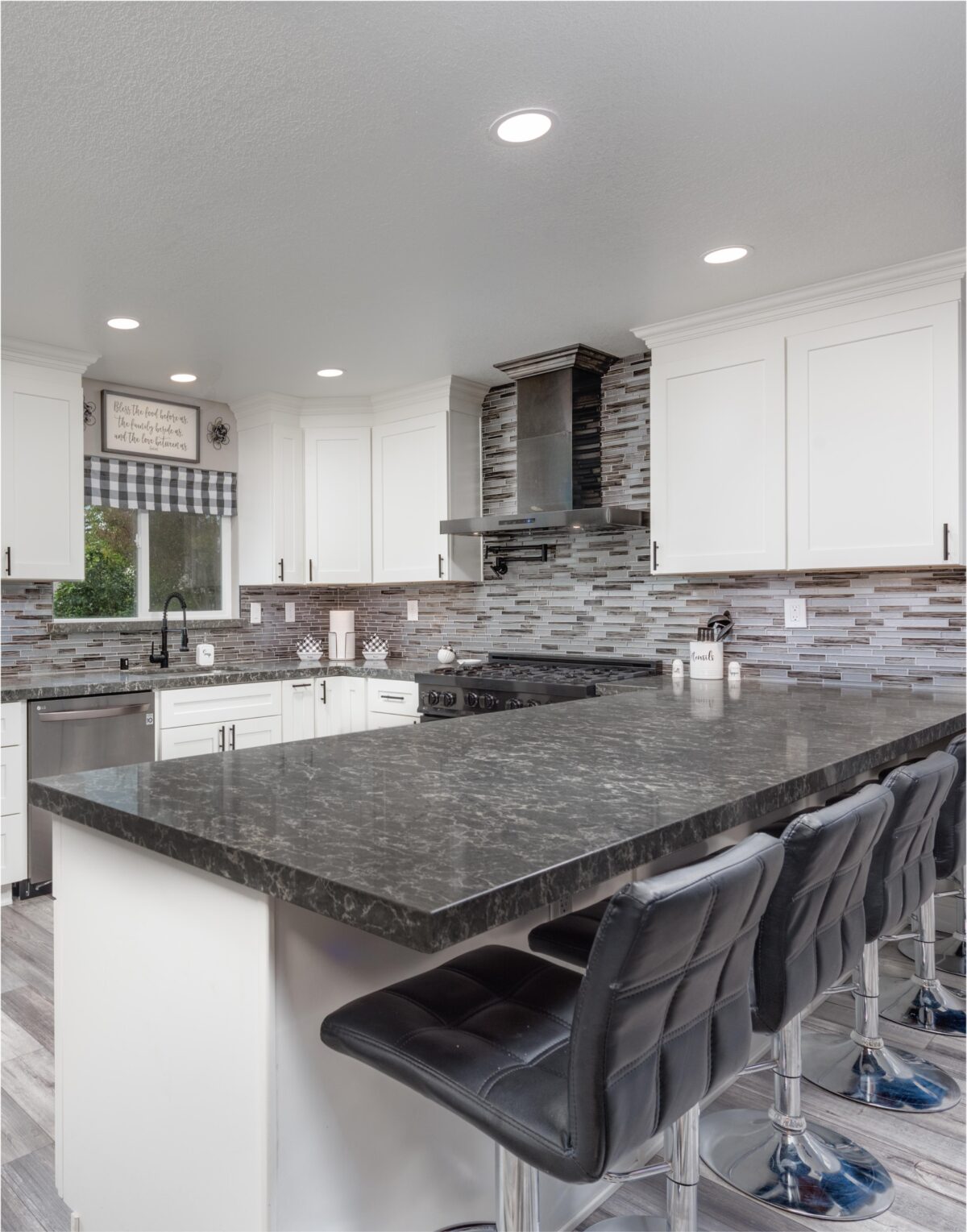 8 Types of Natural Stone Countertops
 What’s the Difference Between Prefab Countertops and Slab Countertops?
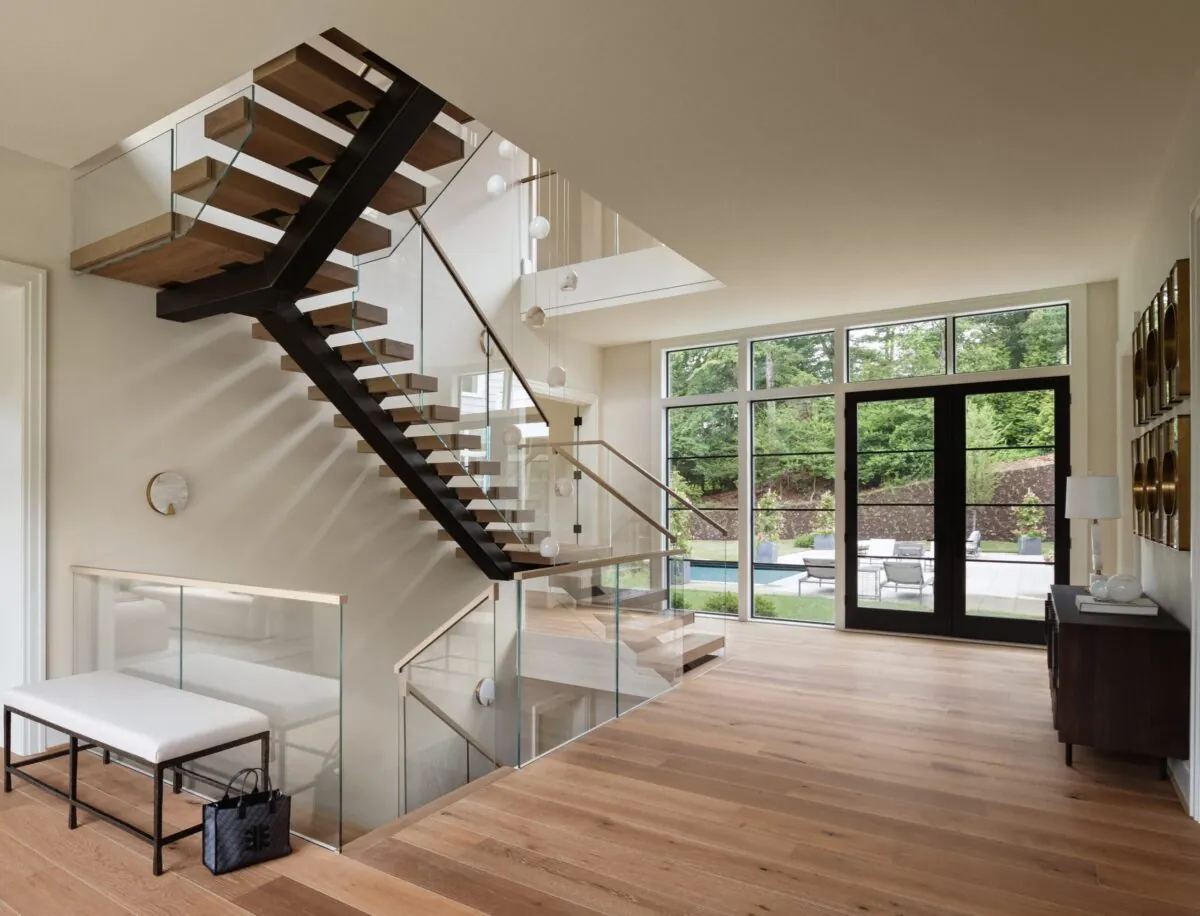 Floating Stairs: Modern, Contemporary Design for Sacramento Homes
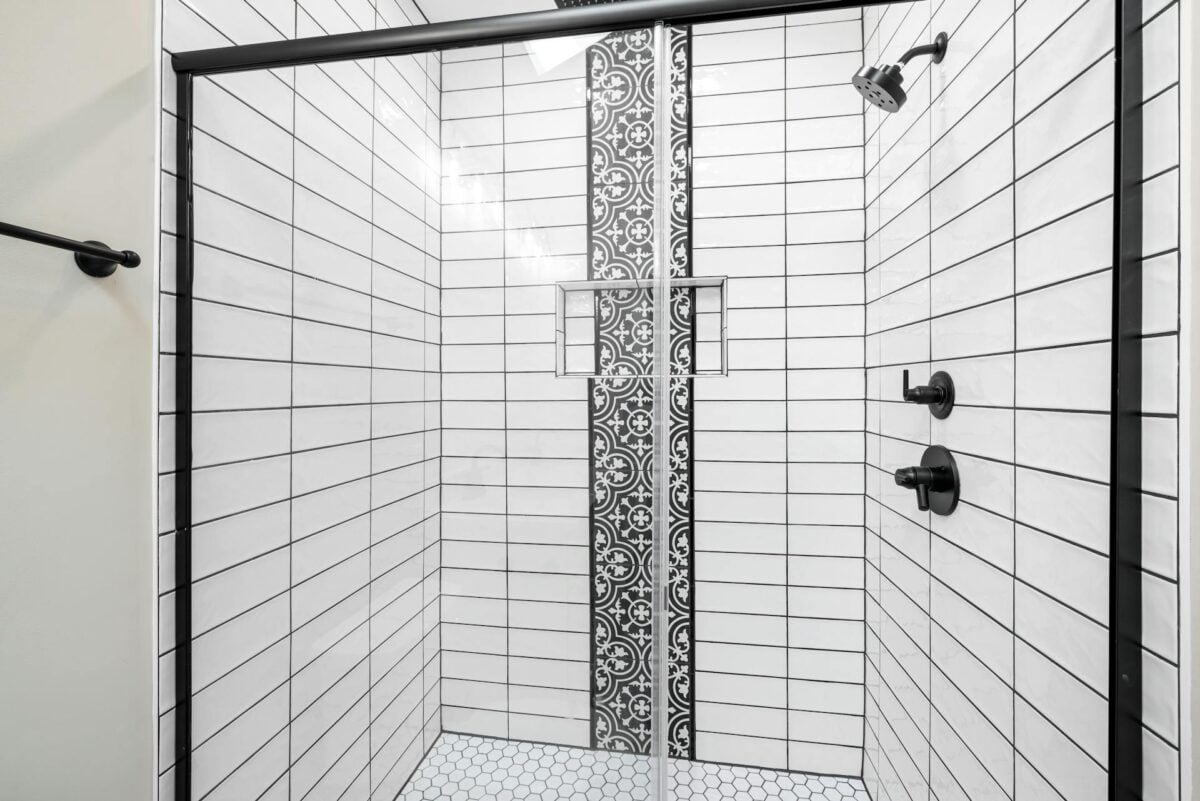 Types of Shower Doors: Pros and Cons
 How Much Does it Cost to Build an ADU in Sacramento?
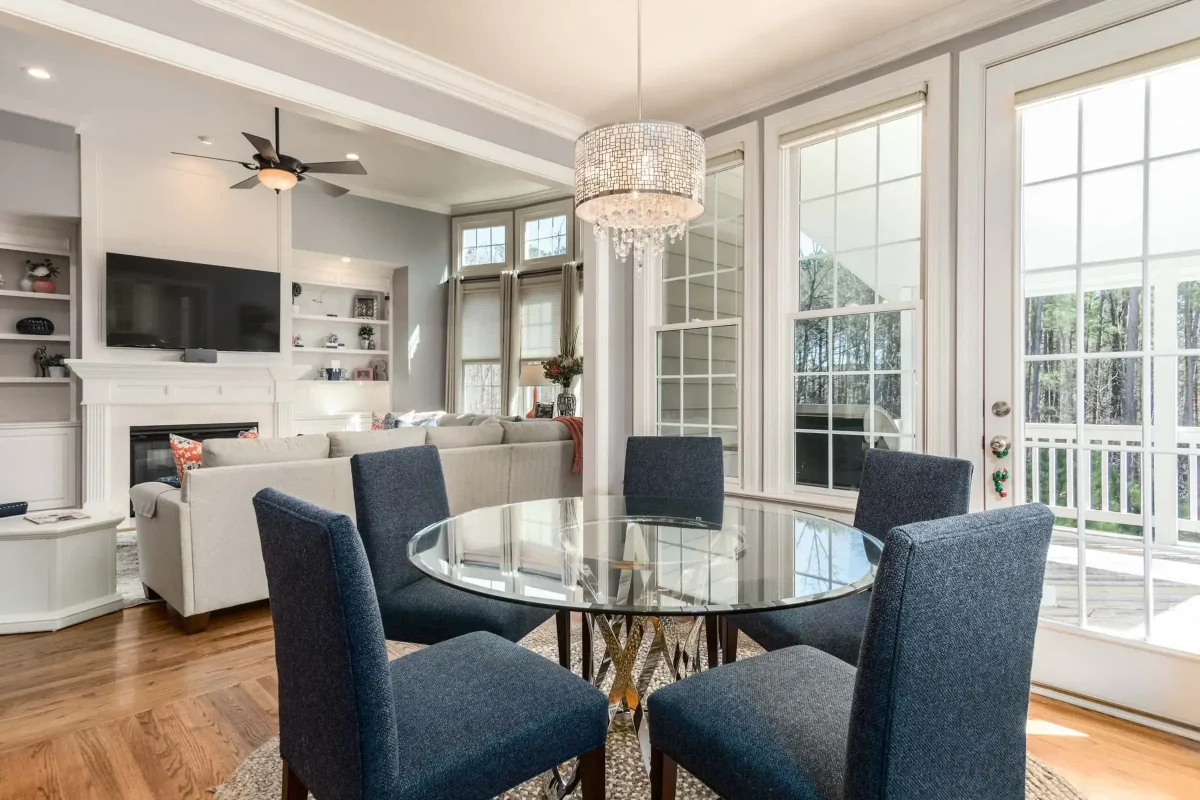 Home Window Replacement Cost in Sacramento (2026)
 What is the 30% Rule in Home Renovation & Remodeling?
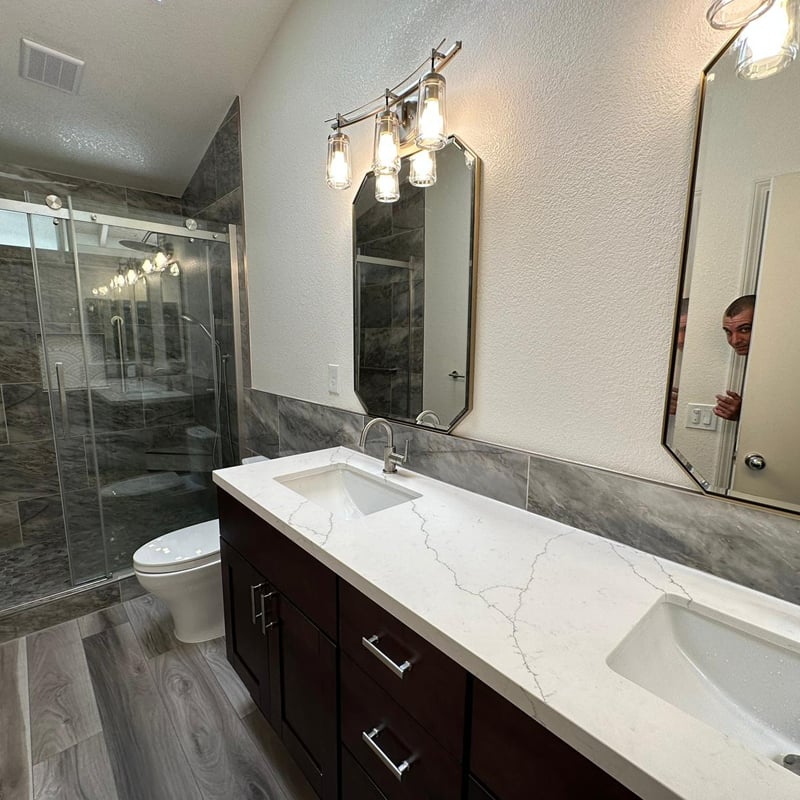 What To Expect When Remodeling Your Bathroom
 Top Kitchen Trends for 2026: What’s Hot in the Latest Kitchen Remodels
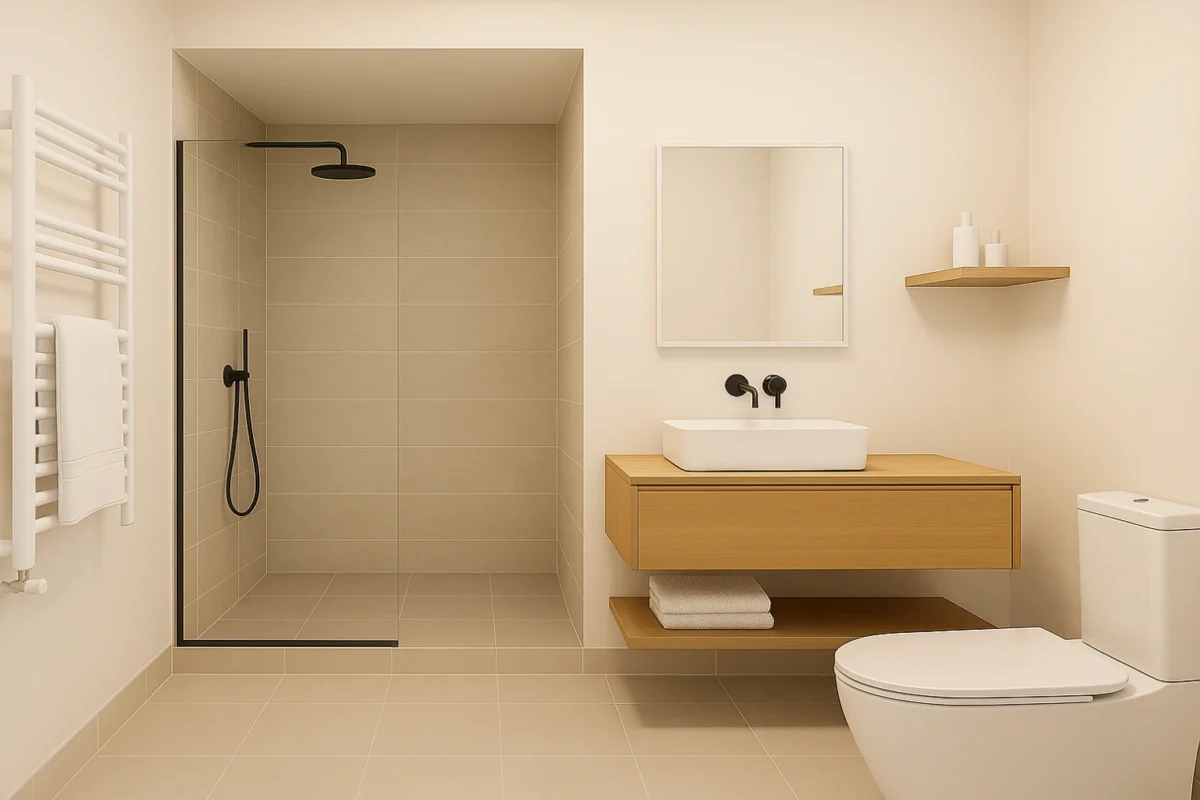 Doorless Walk-In Shower Ideas for Small Bathrooms
 Best Underlayment Options for Vinyl Flooring in a Basement – What You Really Need to Know
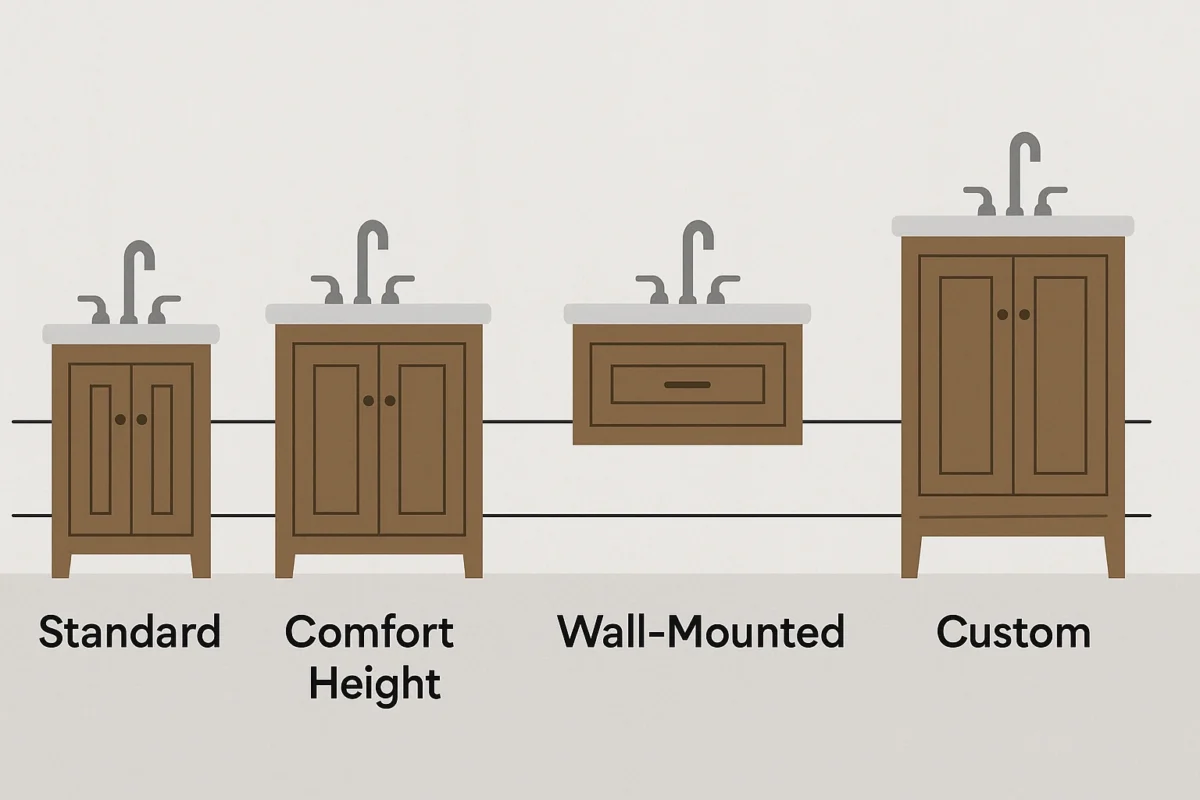 Bathroom Vanity Height Guide: Standard, Comfort, and Custom Options Explained
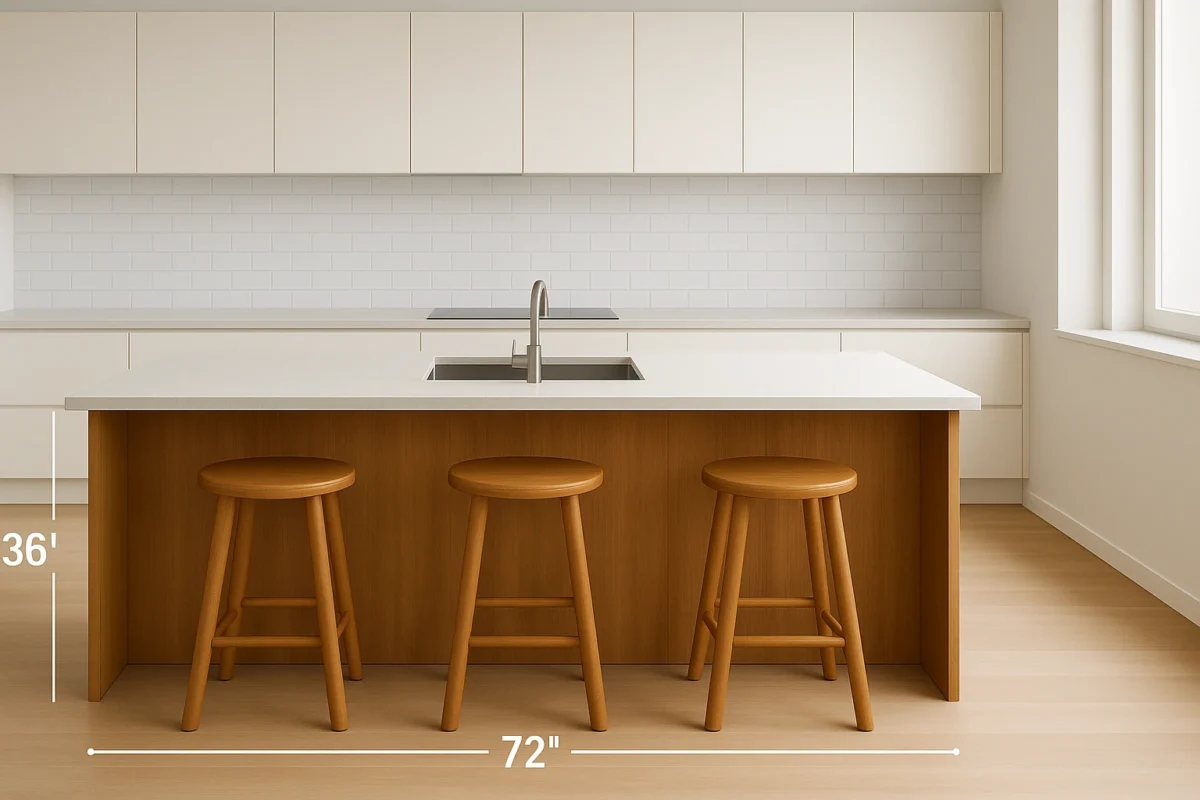 Average Kitchen Island Height and Dimensions: What You Need to Know Before Planning Your Remodel
 What’s The Most Expensive Part Of A Bathroom Remodel?
 Do You Need a Permit to Remodel a Bathroom? Expert Guide
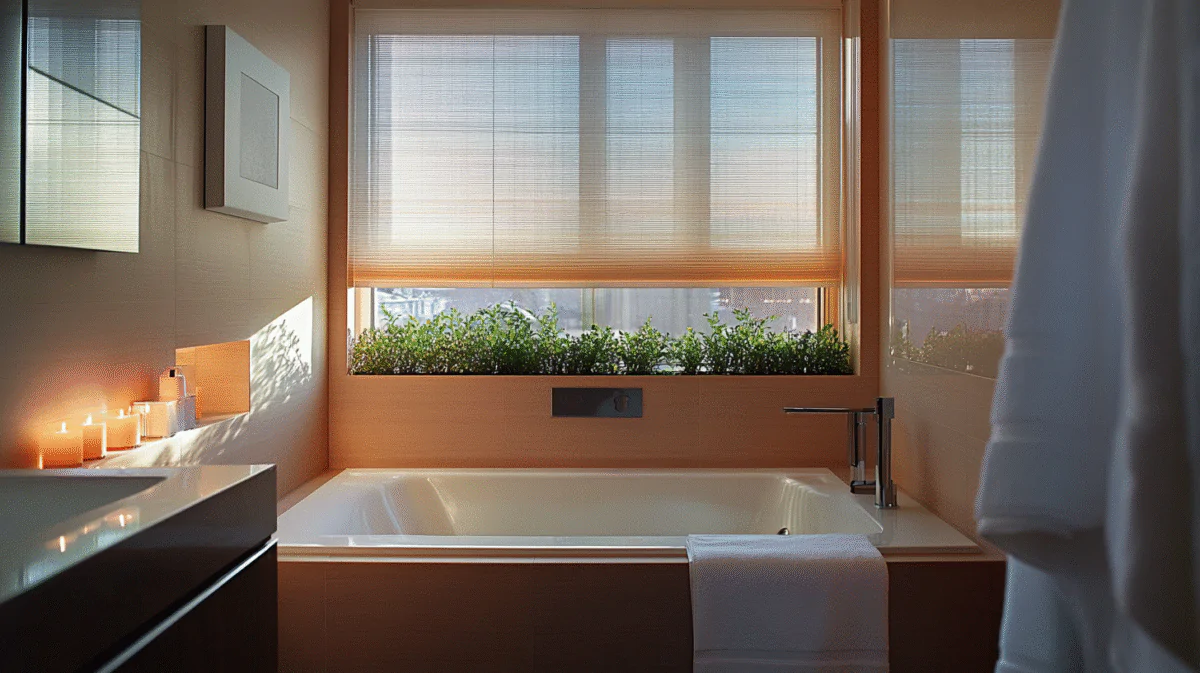 How to Remodel a Bathroom with a Window in the Shower – Professional Solutions
JC Construction & Remodeling is more than just a construction company; we are your dedicated partners in transforming your vision into reality. With over a decade of industry experience, our locally owned and operated business has honed its craft, delivering exceptional home improvement solutions to our valued clients. Integrity and honesty are the cornerstones of our approach, guiding every interaction and decision we make. We understand that each project is unique.
Whether you’re looking to renovate your entire home or simply need a few repairs, our team is equipped with the expertise and resources to exceed your expectations. At JC Construction & Remodeling, quality is not just a goal; it’s a standard we uphold in every aspect of our work. Specializing in general home improvement and remodeling, we take immense pride in the craftsmanship and attention to detail that defines our projects.

