Sacramento's Premier Home Remodeling Company

Freestanding Tub Buying Guide

Many homeowners in the Sacramento area are choosing freestanding tubs for their bathroom remodeling projects. There are many different types of freestanding tubs, and we’re here to help you explore all the options, looking at the pros and cons.

What Are Freestanding Tubs?

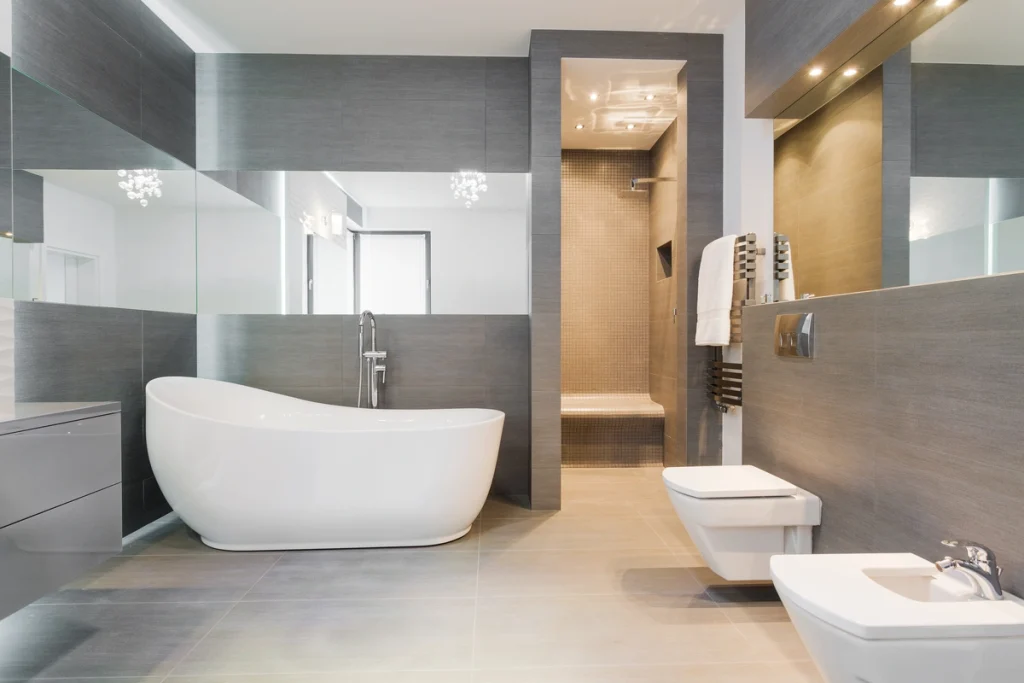
A free standing tub is finished on all four sides, it is not attached to a wall, and it sits directly on the floor, without being built into another enclosure. Oftentimes, they are the focal point of the bathroom.

Many homeowners choose to install a freestanding tub to make a bold design statement, to add a tub with a deeper basin, and to improve the aesthetics and functionality of their bathroom. These tubs are perceived as more luxurious than traditional alcove tubs.

Freestanding tubs come in a variety of styles and materials from which they are manufactured. Each of these has their own characteristics.

Types of Freestanding Tubs

There are several types of freestanding tubs to fit the lifestyle choices of every homeowner. 

Clawfoot Tubs

Clawfoot tubs have been in use since the 1800s and are still a popular style of freestanding tub. The tub sits on four feet, raising it off the ground. The legs of the tub were often styled to look like animal feet in the late 1800s and early 1900s. Today, clawfoot tubs come in a variety of styles, and are usually 48 inches to 72 inches long.

Single and Double Slipper Tubs

Single and double slipper tubs are raised on one end or both ends, making it look like a slipper. The raised back allows bathers to recline comfortably.  Single slipper tubs have a raised back on one end and the drain on the opposite side. Double slipper tubs have both ends raised so a couple (two people) can sit in the bathtub at once. Single slipper tubs have the plumbing at the unraised end. Double slipper tubs have the faucet in the middle, with the drain sitting in the center of the tub.

Single slipper tubs usually have a length of 43 inches to 73 inches; double slipper tubs are usually 59 inches to 78 inches in length.

Single and Double Ended Tubs

Single and double ended tubs are similar to slipper tubs, as they have a sloped end or two sloped ends, allowing bathers to recline. The single ended freestanding tubs have one rounded end and one sloped end, the double ended tubs have two sloped ends. These tubs can be anywhere from 48 inches to 72 inches in length.

Pedestal Tubs aka Skirted Tubs

Pedestal tubs are similar to clawfoot tubs, except instead of feet, the tub rests on a pedestal, which distributes the weight more evenly. The pedestal also creates the illusion of the tub resting squarely on the floor. These tubs come in a variety of styles, such as single and double slipper, single and double ended, and are typically found between 52 inches and 72 inches in length.

Japanese Soaking Tubs

These tubs are designed to fit into a very small space, typically the smallest in length of any freestanding tub. To make up for the small length, they have a larger depth, usually fitted with an integrated seat, so the bather can sit comfortably, submerged up to their shoulders. These tubs range from 40 inches to 60 inches in length.

How Deep Are Freestanding Tubs?

Freestanding tubs are designed for long, luxurious baths, and they hold about 14 inches of water. A traditional alcove tub generally can hold about 12 inches of water. Freestanding tubs allow the bather to completely submerge their body.

How Wide and Long Is A Freestanding Tub?

Freestanding tubs come in a large variety of sizes and styles, to fit every type of bathroom. They are usually 48 inches to 72 inches long, but can be up to 90 inches in length. These tubs can be anywhere from 23 inches to 76 inches wide, depending on the model and variety you select.

Freestanding tubs come in a variety of materials, each with their own characteristics, pros and cons. Here are the most common materials for freestanding tubs.

Acrylic

Acrylic is one of the most popular choices for freestanding tub material, because it is lightweight, easy to maintain, and affordable. The surface of acrylic is smooth and non-porous, making it resistant to mold and mildew. It is also resistant to chipping and cracking. Abrasive cleaners can scratch the surface, causing issues with discoloration. Always use a non-abrasive cleaner for acrylic tubs. Acrylic is also light enough to install without extra floor reinforcement, as is needed with cast iron.

Pros of Acrylic Tubs:

  • Inexpensive material that is easy to clean and maintain.
  • Wide variety of colors and sheens.
  • Lightweight material that is easy to install, floor won’t need reinforcement like heavier materials like cast iron.
  • Resistant to chipping and cracking.
  • Good heat retention makes longer baths convenient.

Cons of Acrylic Tubs:

  • Can scratch easily, watch for items like razors in the tub.
  • Durable, but not as durable as solid surface, cast iron, or copper, which have more longevity than acrylic.

Cast Iron aka Enameled Cast Iron

Cast iron is another popular freestanding tub material that is highly durable and retains heat very well. Made from an iron-carbon alloy, cast iron freestanding tubs are usually coated in enamel or porcelain to give them a smooth, sleek surface. These tubs are very heavy, and often require floor reinforcement to withstand the weight. These work best on the bottom floor of a home. Cast iron tubs are resistant to chips, scratches, and damage, and can always be resurfaced, if need be.

Pros of Cast Iron Tubs:

  • Extremely durable, scratch resistant, low-maintenance.
  • Very good heat retention which makes long baths comfortable.

Cons of Cast Iron Tubs:

  • Very heavy, may require extra construction to reinforce the floor to hold the weight of the tub. Can be more difficult to install. 
  • Although scratch-resistant, when it does get damaged, it is more difficult to repair.
  • More expensive than acrylic or solid surface.

Solid Surface aka Stone Resin

Solid surface tubs are made from a mix of natural stone and resin or epoxy. This non-porous surface is resistant to scratches, water, and mildew. Solid surface tubs also retain heat more efficiently than acrylic, and are very low-maintenance. Stone resin tubs come in a variety of gloss and matte finishes.

Pros of Cast Iron Tubs:

  • Contemporary appearance at a competitive price.
  • These low-maintenance tubs are made from a hard material that is more durable than acrylic.
  • The non-porous surface of a solid surface freestanding tub is antibacterial as well as stain and scratch resistant; nearly waterproof, it will not develop pinholes or crack when exposed to water.
  • Like cast iron tubs, solid surface stone tubs have superior heat-retention properties.

Cons of Cast Iron Tubs:

  • More expensive than acrylic.
  • Texture can be slippery when wet.

Copper

A luxurious material for freestanding tubs is copper, which conducts heat very well, and is naturally resistant to bacteria and mold. The aesthetics of copper are quite striking, and the texture can be either smooth or hammered. This is a low-maintenance material, but still requires some upkeep.

Pros of Copper Tubs:

  • Unique, luxurious appearance, develops rich patina over time.
  • Easy to clean, naturally bacteria resistant.
  • Resistant to corrosion from many cleaning supplies.
  • Super durable, can last for decades.

Cons of Copper Tubs:

  • Expensive material compared to acrylic and solid surface. Can be two to three times as expensive as acrylic. 
  • Easily scratched. Avoid abrasive cleaning products. Also avoid acidic cleaners like vinegar, which can damage the patina.

Porcelain aka Porcelain Enameled Steel

Porcelain is a very common material for freestanding tubs because it is lightweight, inexpensive, durable, and easy to clean. It can also chip very easily, exposing the steel underneath, which can lead to rusting.

Pros of Porcelain Tubs:

  • Lightweight material which looks good.
  • Easy to clean, non-porous material.
  • Durable for everyday use. Can last for decades.
  • Inexpensive material, which makes tubs with this material an affordable option.

Cons of Porcelain Tubs:

  • Can chip easily, leading to the steel underneath to be exposed to moisture, causing rust.
  • Not the best at heat retention, baths can get colder more quickly than with other materials

Fiberglass

Fiberglass is one of the most inexpensive options for a freestanding tub. Made from lightweight material, it’s easy to install and clean, but it’s nowhere near as durable as other options. It can crack and absorb water, leading to mildew.

Pros of Fiberglass Tubs:

  • Lightweight material, easy to install.
  • Easy to clean and maintain.
  • Inexpensive and affordable.

Cons of Fiberglass Tubs:

  • Cracks more easily than other materials, leading to moisture and mildew in the material.
  • Not durable as other materials.
Freestanding tub in modern bathroom

Freestanding Tub Installation

When installing a freestanding tub, leave at least 4 inches between the wall on all sides of the tub. This will allow you to clean easily.

If your freestanding tub is going in the same place where your old alcove tub was installed, you probably won’t need any changes to your plumbing. As always, check with your local remodeling contractor to be certain. If you’re moving the tub to another location, this will require refinishing the floors and extending the plumbing to reach the new tub location. 

Freestanding tubs hold a lot of water, some of the largest ones can hold up to 250 gallons of water. If you use a heavy material like cast iron for your tub, your floor will likely need to be reinforced.

Renovate Your Sacramento Bathroom With JC Construction & Remodeling

If you’re a homeowner in the Sacramento area, JC Construction & Remodeling is the premier bathroom renovation company to call. We’ve helped hundreds of homeowners in the region with bathroom remodeling, kitchen remodeling, and home renovations. For a free consultation, contact us and we’ll get you scheduled at a time most convenient for you.

We look forward to helping you remodel and renovate your home.

Your Trusted Home Improvement Partner

JC Construction & Remodeling is more than just a construction company; we are your dedicated partners in transforming your vision into reality. With over a decade of industry experience, our locally owned and operated business has honed its craft, delivering exceptional home improvement solutions to our valued clients. Integrity and honesty are the cornerstones of our approach, guiding every interaction and decision we make. We understand that each project is unique.

Why we offer a diverse range of customizable home improvement services

Whether you’re looking to renovate your entire home or simply need a few repairs, our team is equipped with the expertise and resources to exceed your expectations. At JC Construction & Remodeling, quality is not just a goal; it’s a standard we uphold in every aspect of our work. Specializing in general home improvement and remodeling, we take immense pride in the craftsmanship and attention to detail that defines our projects.

icon
Wait!
We can set the price for you for our kitchen remodeling service for 45 days
*Offer expires 11/29/24

    Fill out the form and get professional advice from an expert without any obligation!
    What are you interesting service in?
    *Free estimates for residential homeowners only. By submitting this form, you agree to receive a call from JC Construction about your project.
    person
    Martin Luther
    Manager at Sacramento's Premier Home Remodeling Company
    close
    Get My Free Estimate
    Get professional no-obligation advice from an expert!
    *Offer expires 11/29/24
    close
    Call back form
    We can set the price for you for our kitchen remodeling service for 45 days
    *Offer expires 11/29/24

      Fill out the form and get professional advice from an expert without any obligation!
      What services are you interested in?
      *Free estimates for residential homeowners only. By submitting this form, you agree to receive a call from JC Construction about your project.
      close
      Get $3000 discount for Your dream ADU!
      *Offer expires 11/29/24
      Fill out the form and get professional advice from an expert without any obligation!

        Fill out the form and get professional advice from an expert without any obligation!
        *Free estimates for residential homeowners only. By submitting this form, you agree to receive a call from JC Construction about your project.