Sacramento's Premier Home Remodeling Company

Floating Stairs: Modern, Contemporary Design for Sacramento Homes

In the modern landscape of residential architecture, floating stairs are at the forefront of contemporary design. These stairs are a functional marvel and a bold aesthetic statement. If you are looking to design an impressive living space or transform a commercial property, floating stairs are the epitome of modern architectural engineering and design. Let’s look at what floating stairs are, how they are built, and the reasons property owners add them to their homes.

What Are Floating Stairs?

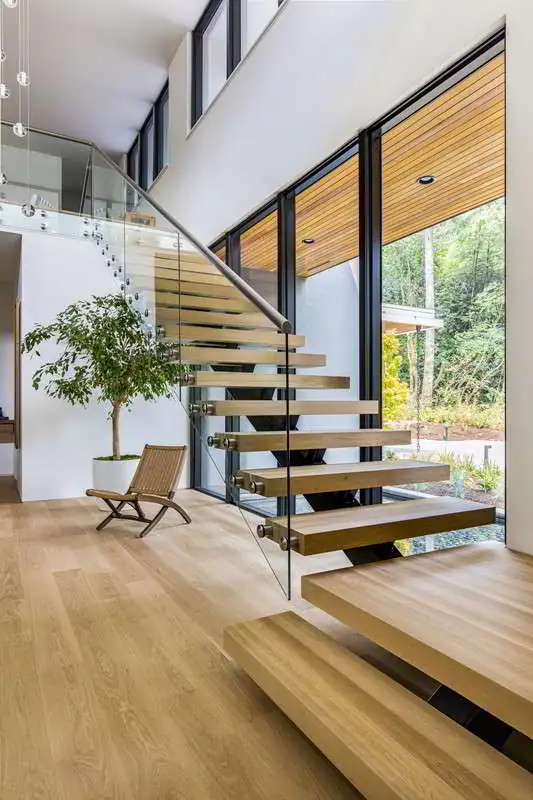
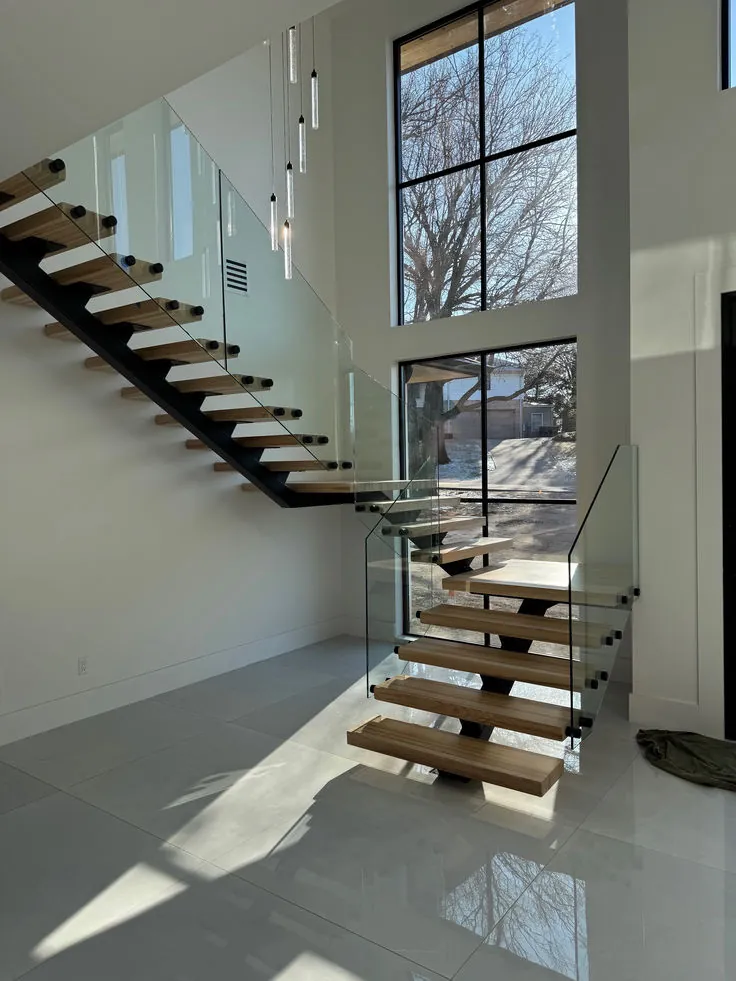
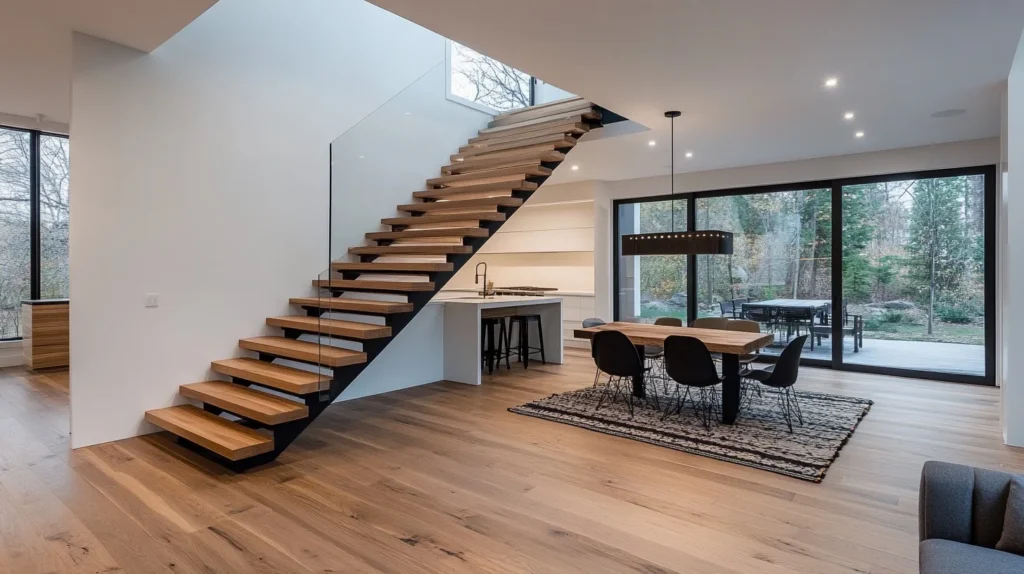
Floating stairs, also known as cantilever stairs, are a type of staircase where the treads (the steps) appear to be suspended in air. This creates a striking, modern look. The treads appear to hover in the air, but are actually supported by a hidden steel frame or fortified wall bracket. The stair treads allow in natural light through the gaps, whereas normal stairs block the line of sight.

History and Evolution of Floating Stairs

Although floating stairs look modern and avant garde, their roots go back to medieval times when stone slabs rested against walls to create pseudo-cantilevered steps. True floating stairs originated with innovative architects like Frank Lloyd Wright and Le Corbusier in the early 20th Century. By the mid 20th Century, minimalist designs, and mid-century architecture led to floating stairs being used more prominently in residential, commercial, and industrial design. Modern floating stairs use a wide variety of materials, such as wood, glass, steel, and concrete to create elegant, customized designs, which are both functional and beautiful.

Why Install Floating Stairs in Your Home?

Many homeowners install floating stairs to make their living spaces more elegant and beautiful. These are some of the most common reasons people invest in floating stairs.

  • Let in more natural sunlight. Floating stairs allow sunlight in through the gaps in their design. This lets sunlight illuminate your home from room to room.
  • Creating a sense of more open space. These stairs open up a room, making the space seem even bigger. Your field of vision is unobstructed, making the house seem more open and interconnected.
  • They create a unique modern aesthetic. The sleek, modern appearance of floating stairs is minimalistic and timeless. Not everyone has these! They are  truly unique, creating a modern, luxurious appearance.
  • Perfect for open floor plans. If you want to make an open floor plan look even more spacious, floating stairs are perfect for your home. These eliminate any obstructions to your line of sight, allowing you to make your home look more expansive and inviting.

Components of Floating Stairs

  • Treads: The flat, horizontal steps on which people ascend and descend a staircase. These are where your feet are placed.
  • Stringers: In staircases, the diagonal supports that help hold up treads and risers are called stringers. These are located on the sides of the staircase, fitting under the treads. In floating stairs, stringers are hidden or minimalistic side panels are used for support.
  • Risers:  The risers are the vertical components placed between each tread in a regular staircase. In floating stairs, the risers are usually absent, helping to create the appearance of suspended steps.
  • Handrails: In a staircase, handrails are the bar at about hand level that you hold onto for extra balance. These can be braced to the structure itself, or more commonly, supported by vertical posts known as balusters.
  • Balustrade: Balusters are the vertical supports that help hold up a handrail or guardrail. The group of balusters and the guardrail system is known as a balustrade. In floating stairs, a glass balustrade is typically used to make the staircase appear like it’s suspended in mid-air.
Floating Stairs

Types of Floating Stairs

There are several types of floating stairs, each appealing to a different taste, utility, and practical application.

Modern

Many floating stairs have a modernist design influence. Steel and glass, stained wood and geometric angles, combined into staircases that appear to defy gravity. A large number of homeowners go for a minimalist look that is contemporary, futuristic, and timeless.

Rustic

Floating stairs can be customized with rustic materials to create a vintage vibe. Wooden treads made with natural oak or walnut, wrought iron handrails, matte white stringers, and glass sidings are some of the material combinations that can create a beautiful, rustic

Industrial

These are often made with concrete treads (steps) with a metal frame and railings. Usually used in commercial, industrial, or community spaces, industrial floating stairs can be customized by staining the treads darker colors.

Material Choices

The materials used in floating stairs makes a big difference in the overall aesthetic and longevity of the finished stairs.

  • Wood: Many homeowners use wood for the treads in floating stairs. The warm, organic beauty of the wood can be combined with many other materials. There are also many different types of wood, with different grains, which offers a wide variety of possibilities. Between the natural color of the woods, and stains, there is a rich palate of colors available to create visual effects. The treads are the focal point of floating stairs, and wood is a perfect material for most homes.
  • Glass: This is used mostly for the guardrails and side panels, contributing to the illusion of suspended steps. Glass is an essential component of residential floating stairs, adding elegance and a sense of luxury.
  • Steel: The supporting frame is often made of steel, which is sturdy and durable. Stainless steel enhances a modern, contemporary aesthetic. Other metals can be used for other components, such as aluminum or iron.
  • Concrete: For industrial cantilever stairs, concrete treads are often used for a contemporary look. Concrete is also practical for it’s lower maintenance and durability.
Floating Stairs

Are Floating Stairs Safe and Secure?

Although this is a concern for many homeowners, floating stairs are every bit as sturdy and secure as traditional stairs. Although they appear to be hanging in mid-air, floating stairs are constructed up to California’s building codes. This type of staircase has been used for almost a century, and the design, architecture, and engineering has long been tested to be just as structurally sound, strong, and safe as traditional stairs.

How Are Floating Stairs Installed?

There is a process to professionally install floating stairs, this is just an overview. Our remodeling team works meticulously with attention to detail to ensure your stairs are designed, built, and installed correctly, with safety and workmanship as prime concerns.

  • Preparing the Treads and Components: This step is measuring and preparing the treads, preparing the support structure, and double checking all components before installation.
  • Wall Reinforcement: Strengthening the supporting wall which will help support the stairs, if applicable.
  • Fitting Treads into the Supporting Structure: Building the stringers, fitting each tread into the supporting structure or wall sockets.
  • Quality Inspection: Detailed inspection to ensure the stairs are built correctly and are structurally sound. Making sure the stairs have been built properly with safety and quality in mind.
Floating Stairs

FAQs

Why Do Homeowners Love Floating Stairs?

The unique aesthetic of floating stairs adds a contemporary style to any home or commercial property. The minimalist appearance of steps seemingly suspended in mid-air is eye-catching, head-turning, and makes every space seem luxurious and modern.

Are Floating Stairs Safe to Use?

Although floating stairs appear to hover suspended in the air, they are actually quite sturdy, and capable of supporting the same amount of weight as traditional stairs. Their engineering and design has been calculated carefully to be safe, sturdy, and compliant with all local building codes.

Do Floating Stairs Come in Different Styles?

Absolutely, floating stairs come in a plethora of different styles and designs. Some are straight, others are curved, some are spiral. The treads can be made from different materials, have different finishes, and can be open or closed. You can do many different things with floating stairs.

Can You Build Handrails on Floating Stairs?

Yes. floating stairs can easily accommodate handrails or guardrails. For some settings, the client may choose to go with no handrails to bolster the minimalist aesthetic. For families that want extra support and stability, handrails can be built into the floating stairs, attached to the wall, or built into the support structure.

What Materials Can Be Used to Build Floating Stairs?

The most common materials used in the construction of floating stairs are wood or concrete for the treads, and steel and glass for the support and side rails. You can use different combinations of materials to create different styles and designs.

How Are Floating Stairs Installed in a Multi-Story Home?

Installing floating stairs is a complex process, and we recommend using professional installation. During the process, holes are marked and drilled into the stringer or supporting wall, the treads are inserted and secured. The structure is double and triple checked and secured. Any handrails or balustrades are installed.

How Much Maintenance Do Floating Stairs Require?

The amount of maintenance required depends on the design of the floating stairs. Stairs with large panels of glass may need to be cleaned regularly. A staircase with wooden treads may need the treads polished or refinished periodically. Any steel in the stairs should be inspected at regular intervals for signs of wear and rust.

Do Floating Stairs Cost More Than Traditional Stairs?

The total cost of a floating stairs project can vary, depending on the materials used and complexity of the design and installation. Floating stairs will generally cost more than traditional stairs because installing them requires more precision than constructing regular stairs.

Can Floating Stairs Support a Great Deal of Weight?

Even though floating stairs appear to be suspended in the air, they can hold the same amount of weight as traditional stairs. The design looks different from regular stairs but they are sturdy enough to hold large amounts of weight.

Can Homeowners Install Floating Stairs as a DIY Project?

Although it is technically possible, it is not advisable for homeowners to install floating stairs themselves as a DIY project. The installation of cantilever stairs requires a good deal of engineering and construction knowledge, and extremely precise calculations and workmanship. This is a project best handled by professionals with the experience and building permits to ensure the work is done properly.

Pros of Floating Stairs

Architecturally Intriguing and Visually Appealing

Floating stairs can be seen as a centerpiece of modern design and architecture in a home. They add a modern, minimalistic aesthetic that is sleek and “clean”. The retrofuturistic nature of these stairs makes them a timeless and unique aspect of your home. No matter the style, they add an extra dimension to your home, creating an intriguing and interesting visual statement.

Versatility of Design

One good thing about floating stairs is they offer many different choices of styles and materials to fit the design of your home. Whether you are going for a modern, rustic, or minimalist look, these stairs can be customized to fit your vision and create a unique style.

Maximizing Space for Efficiency

Floating stairs are a great choice for smaller floor layouts. The open risers and minimalist style allows more natural light to flow through, and make your home seem more spacious. You can install floating stairs with less space than traditional stairs, maximizing the amount of space you can use in your home. Overall, these will help the interior of your home look bigger and give you more space to use.

Allows More Natural Light Through

Floating stairs take up less vertical space, and have gaps where risers would normally be placed, meaning more natural sunlight flows through, illuminating your home, making it brighter, and creating a more light-filled environment.

They're Incredibly Durable

Despite the appearance of them floating in mid-air, floating stairs are shockingly sturdy and quite durable. The materials used in constructing them and the engineering and design, with the professional installation means they can handle a large amount of daily use, and handle the same amount of weight as traditional stairs.

Creating a Unique Focal Point

Floating stairs create a focal point that guests will talk about. This turns a normally mundane feature into a unique characteristic.

Cons of Floating Stairs

High Cost of Installation

Because floating stairs rely on specialized design and installation, the associated costs can be much higher than traditional stairs. The material costs can also make installation more expensive, depending on the design. Glass and certain types of wood may cost more than standard lumber and other materials.

Complexity of Installation

Floating stairs are more complex to install than traditional stairs, so they are a remodeling project best left to professionals. Installing floating stairs is not a DIY project, and improper installation can result in potential safety risks. The design and installation of floating stairs will require a licensed, bonded, and experienced contractor.

Safety Concerns

The open design that is so visually appealing can also present safety risks, particularly for young children and seniors, who may have mobility issues. Traditional stairs have risers and sometimes guardrails, which can lower the chances of accidents.

Risk of Slips and Falls

The characteristic that makes floating stairs appealing, the open design, also makes it more prone to the risk of slips and falls. Adding handrails can help minimize the risk of slips and falls.

Maintenance Upkeep

Certain types of floating stairs, particularly ones that use a lot of wood and glass in their construction, may require more maintenance than regular stairs. The treads may be prone to chipping due to the high foot traffic or heavy objects being dropped on them.

Ambient Noise

Due to the design of floating stairs, when people walk up and down the stairs, it can create more echo than conventional stairs. If you have a busy household, the noise is something you should consider.

Building Regulations

In some counties, floating stairs may have to get a special building permit to comply with safety standards for construction. A few counties have building regulations which may restrict the installation of floating stairs.

Sacramento’s Top Contractor for Floating Stairs

If you’re looking to remodel your Sacramento area home, add floating stairs, or any other renovations or upgrades, contact JC Construction & Remodeling to get a no-obligation estimate. Whether you are adding floating stairs, remodeling your kitchen or bathroom, or doing room additions, our remodeling team will do a professional job and make your home better than ever before. To schedule a free consultation, reach out with your details, and we will contact you to set an appointment. 

Your Trusted Home Improvement Partner

JC Construction & Remodeling is more than just a construction company; we are your dedicated partners in transforming your vision into reality. With over a decade of industry experience, our locally owned and operated business has honed its craft, delivering exceptional home improvement solutions to our valued clients. Integrity and honesty are the cornerstones of our approach, guiding every interaction and decision we make. We understand that each project is unique.

Why we offer a diverse range of customizable home improvement services

Whether you’re looking to renovate your entire home or simply need a few repairs, our team is equipped with the expertise and resources to exceed your expectations. At JC Construction & Remodeling, quality is not just a goal; it’s a standard we uphold in every aspect of our work. Specializing in general home improvement and remodeling, we take immense pride in the craftsmanship and attention to detail that defines our projects.

icon
Wait!
We can set the price for you for our kitchen remodeling service for 45 days
*Offer expires 11/29/24

    Fill out the form and get professional advice from an expert without any obligation!
    What are you interesting service in?
    *Free estimates for residential homeowners only. By submitting this form, you agree to receive a call from JC Construction about your project.
    person
    Martin Luther
    Manager at Sacramento's Premier Home Remodeling Company
    close
    Get My Free Estimate
    Get professional no-obligation advice from an expert!
    *Offer expires 11/29/24
    close
    Call back form
    We can set the price for you for our kitchen remodeling service for 45 days
    *Offer expires 11/29/24

      Fill out the form and get professional advice from an expert without any obligation!
      What services are you interested in?
      *Free estimates for residential homeowners only. By submitting this form, you agree to receive a call from JC Construction about your project.
      close
      Get $3000 discount for Your dream ADU!
      *Offer expires 11/29/24
      Fill out the form and get professional advice from an expert without any obligation!

        Fill out the form and get professional advice from an expert without any obligation!
        *Free estimates for residential homeowners only. By submitting this form, you agree to receive a call from JC Construction about your project.